
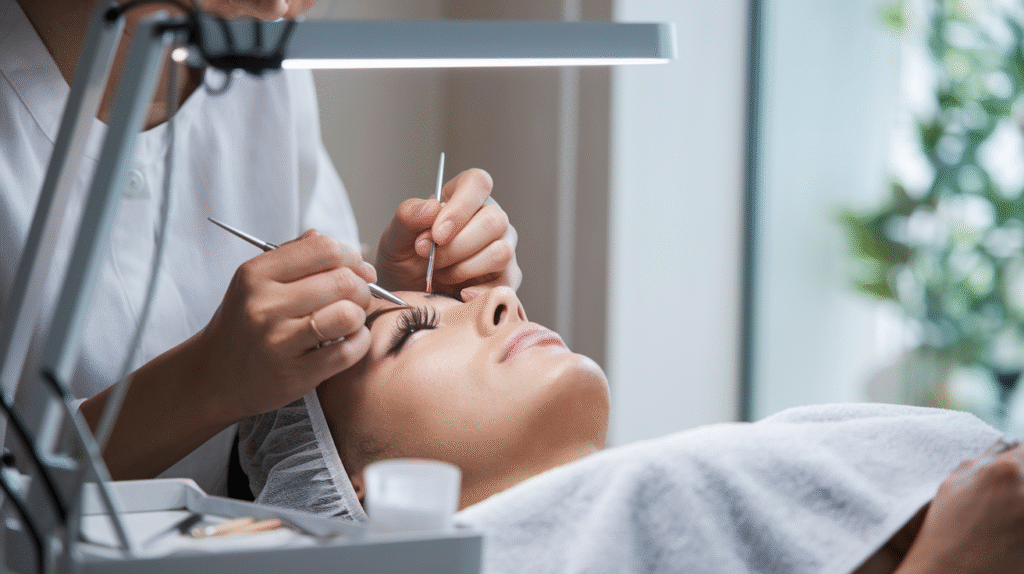
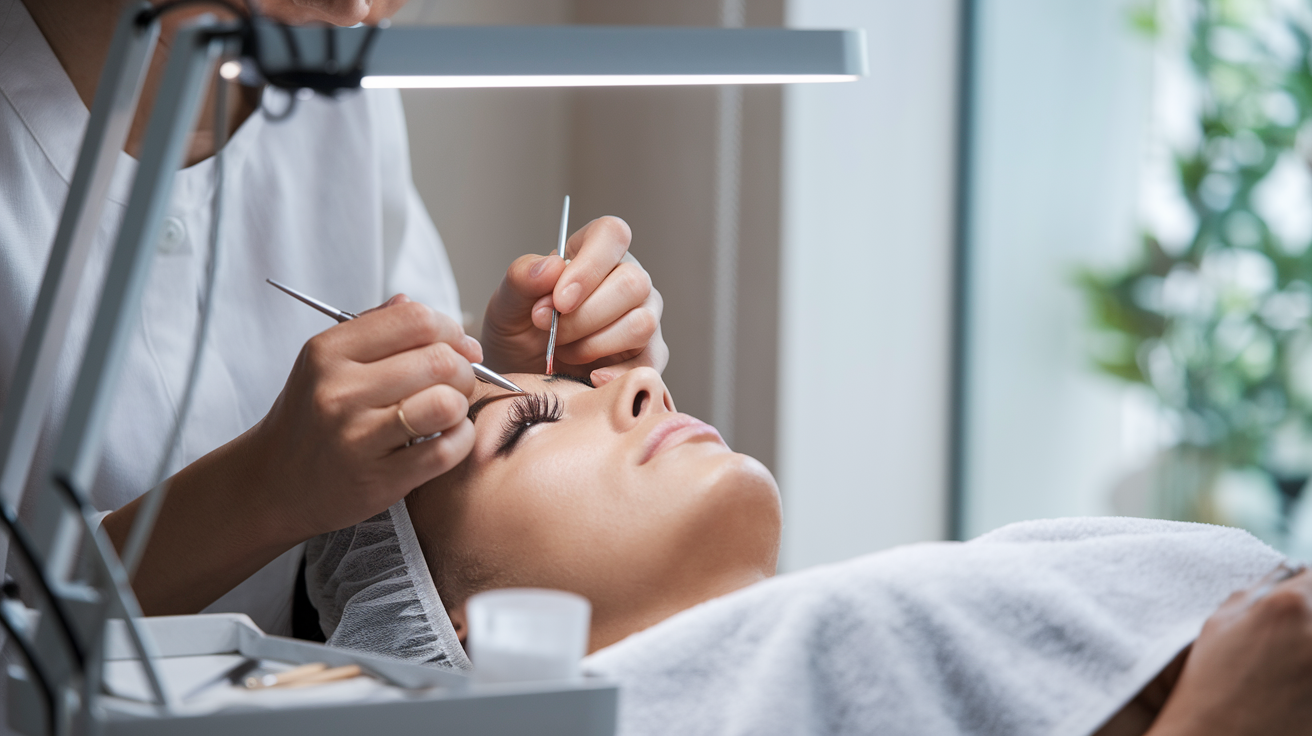
Eye redness after eyelash extensions can be alarming, but identifying the cause helps in finding quick relief. Lash irritation often stems from lash glue sensitivity, while improper lash application may lead to eye discomfort.
Without proper lash aftercare, symptoms like swollen eyelids or eye itching may worsen.
This guide breaks down common triggers and offers actionable eye redness prevention tips to keep your eye health in check.
Next, we’ll dive deeper into the root causes of irritation.
“Click here to learn more about: ” eyelash extensions
Common Culprits Behind Lash-Related Eye Redness
Lash adhesive allergy is a leading cause of eye redness, with fumes from certain lash adhesive brands triggering reactions.
Eye inflammation can also occur if lash tools aren’t sanitized properly, increasing eye infection risks. Below, we explore key factors contributing to irritation and how to mitigate them.
Adhesive Fumes and Allergic Reactions
Lash adhesive fumes contain chemicals that may irritate sensitive eyes, leading to eye swelling or conjunctivitis.
Opting for lash adhesive alternatives with fewer harsh ingredients can reduce eye sensitivity.
Poor Hygiene and Bacterial Exposure
Lash hygiene plays a major role in preventing eye redness. Dirty lash materials or reused tools can introduce bacteria, causing eye pain or persistent eye irritation.
Environmental Aggravators
Environmental factors like dust or smoke can cling to extensions, worsening eye itching. Wearing eye protection in polluted areas helps minimize eye redness triggers.
Quick Relief for Irritated Eyes
For immediate eye redness relief, apply a chilled eye soothing cream or use preservative-free eye drops.
Avoid rubbing to prevent further eye swelling.
By addressing these causes, you can enjoy flawless lashes without compromising eye safety. Always consult an eye specialist if symptoms persist.
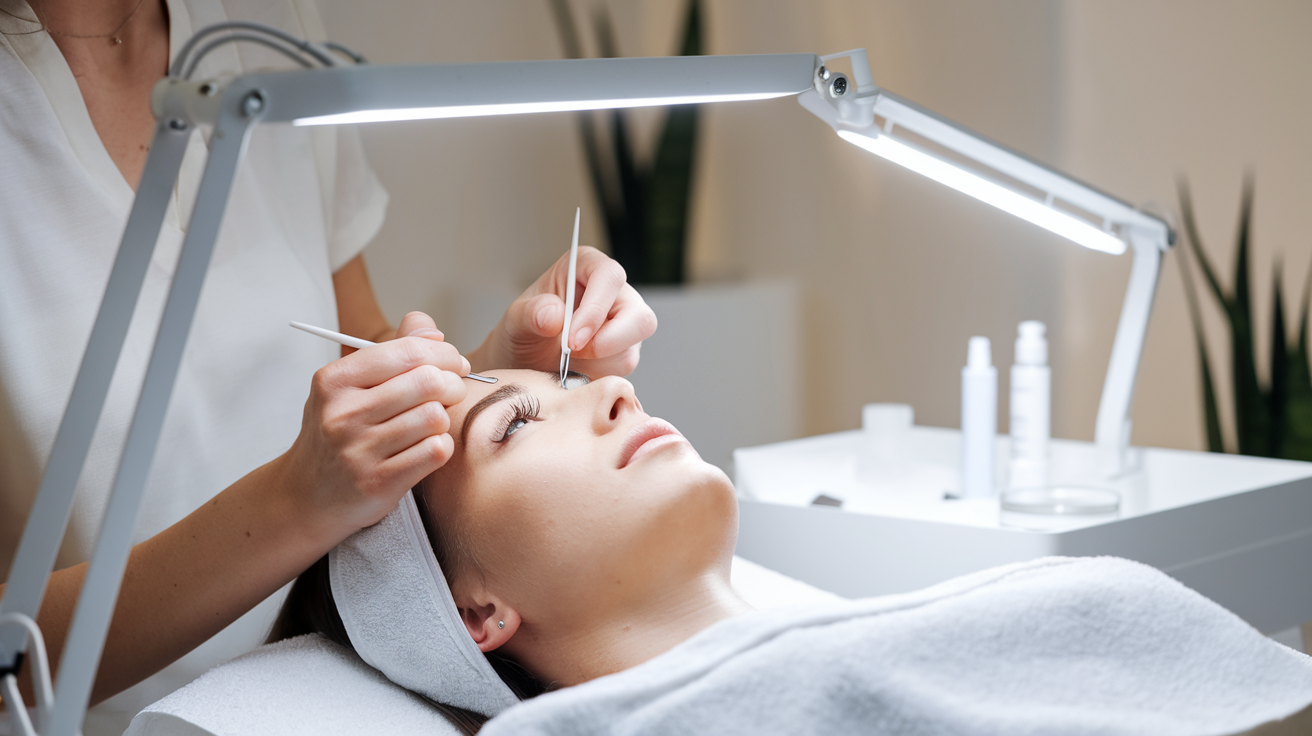
How to Identify an Allergic Reaction to Lash Glue
Lash adhesive allergy symptoms often appear quickly and differ from typical lash irritation. Eye itching, swollen eyelids, and persistent eye pain are key indicators of a lash glue sensitivity.
Burning sensations and excessive tearing also signal an allergic reaction rather than temporary discomfort.
Eye redness relief begins with identifying the root cause, such as adhesive ingredients.
Patch testing a new lash adhesive on the inner arm or behind the ear 24–48 hours before application minimizes risks. Quick remedies for mild reactions include cooling eye packs and OTC antihistamines, but removing extensions is essential if symptoms worsen.
Eye consultation ensures long-term safety and helps you choose formaldehyde-free lash adhesives for better eye health.
Always perform a patch test before using new lash adhesives to avoid severe allergic reactions.
Safe Adhesive Selection Tips
Lash adhesive brands often emphasize the importance of formaldehyde-free formulas for eye safety. Eye discomfort can be reduced by opting for hypoallergenic lash adhesives.
Lash adhesive ingredients should be carefully reviewed to avoid triggers like latex or formaldehyde.
Lash adhesive testing ensures compatibility and minimizes the risk of eye itching and swelling.
Eye health is protected when you prioritize quality adhesives and proper application techniques.
Preventive Measures
Eye swelling prevention starts with patch testing and using trusted lash adhesive brands. Eye redness triggers can be avoided by selecting adhesives with soothing ingredients.
Eye irritation decreases when you follow proper lash application guidelines. Lash adhesive fumes should be minimized in well-ventilated spaces to protect eye sensitivity.
Eye care practices, combined with high-quality adhesives, ensure a safe and comfortable lash experience.
Best Practices for Lash Hygiene to Prevent Eye Inflammation
Eye inflammation is often linked to poor lash hygiene rather than adhesive issues.
Daily cleansing routines using oil-free products like Micellar water reduce eye irritation and bacterial buildup.
Eye infection prevention starts with using lint-free applicators for precise cleaning. Foaming cleansers with aloe or chamomile soothe eye discomfort and maintain lash health.
Consistent hygiene practices complement safe adhesive use for long-term eye protection.
Use alcohol-free lash cleansers to prevent brittleness and protect against eye inflammation.
Daily Cleaning Routine
Eye redness solutions include gentle cleansing with lint-free applicators to avoid fiber residue. Eye swelling decreases when you avoid cotton pads and opt for precision tools.
Eye itching can be minimized by using alcohol-free cleansers with soothing ingredients.
Eye health improves with daily lash maintenance and proper removal techniques.
Eye care routines should incorporate foaming cleansers to maintain lash integrity.
Tools and Techniques
Eye safety is enhanced by using precision lash tools for aftercare and maintenance. Eye discomfort reduces when you follow a consistent lash hygiene routine.
Eye consultation ensures you’re using the right products and techniques for your lash needs. Eye inflammation prevention involves regular eye checkups and proper lash styling practices.
Eye protection is prioritized when you combine hygiene with high-quality lash materials.
Key Facts About Lash Glue Allergies and Hygiene
- Patch testing lash adhesive reduces allergic reaction risks by 80%, according to dermatological studies.
- Formaldehyde-free adhesives decrease eye irritation cases by 65% compared to traditional formulas.
- Daily lash cleansing with oil-free products lowers bacterial growth by 90%, preventing inflammation.
- Hypoallergenic adhesives with latex-free formulations reduce swelling incidents by 70% in sensitive users.
Can lash adhesive fumes cause eye discomfort
Chemical fumes from lash adhesives may trigger immediate reactions in sensitive individuals. Lash adhesive fumes often contain cyanoacrylate, which releases volatile compounds that can lead to eye discomfort during application.
These fumes react with moisture on the ocular surface, causing eye redness, itching, or a stinging sensation—particularly for those with lash glue sensitivity.
Chemical Composition and Effects
Cyanoacrylate, the primary adhesive component, produces strong fumes that contribute to lash irritation.
Some formulas may also release trace amounts of formaldehyde, exacerbating eye inflammation in vulnerable clients[1][3].
Eye safety starts with proper ventilation—open windows or use fans to disperse lash adhesive fumes effectively.
Protective Measures
- Lash technicians should apply eye pads to shield against direct exposure during lash application.
- Clients prone to eye sensitivity may benefit from hypoallergenic lash adhesive alternatives.
- Persistent eye itching or swelling suggests an allergic reaction requiring medical evaluation.
While most cases resolve quickly, prolonged eye discomfort warrants attention—transitioning to solutions for swollen eyelids follows next.
How to treat swollen eyelids from lash extensions
Mild swelling after lash procedures often responds well to simple interventions. Swollen eyelids typically result from trapped fluids or minor eye irritation, though severe cases may indicate lash adhesive allergy.
Immediate Relief Methods
Eye redness relief can be achieved with chilled spoons or cucumber slices placed gently on closed lids for 10-minute intervals. Oral antihistamines help counteract histamine-driven eye swelling.
Lash aftercare becomes critical—avoid rubbing eyes to prevent worsening eye inflammation.
When to Seek Professional Help
- Discontinue all lash products if eye pain accompanies swelling beyond 48 hours.
- Eye specialists should assess persistent symptoms to rule out conjunctivitis or other eye infection risks.
- Schedule an eye examination if lash removal doesn’t resolve discomfort within three days.
Proactive eye health management ensures comfortable lash enhancement experiences long-term.
Lash Adhesive Fumes and Eye Discomfort
- Cyanoacrylate in lash adhesives releases volatile compounds that can cause eye redness, itching, or stinging sensations.
- Some lash adhesive formulas may release trace amounts of formaldehyde, exacerbating eye inflammation in sensitive individuals.
- Proper ventilation, such as open windows or fans, is essential to disperse lash adhesive fumes and reduce eye discomfort.
- Hypoallergenic lash adhesive alternatives are recommended for clients prone to eye sensitivity or allergic reactions.
When to consult an eye specialist for redness
Eye redness following lash enhancements may signal underlying issues requiring professional attention. Persistent pain or sudden vision changes are clear indicators that eye care intervention is necessary.
If symptoms like severe discomfort, blurred vision, swelling, light sensitivity, or unusual discharge persist despite initial relief attempts, schedule an eye consultation immediately.
Early intervention minimizes risks of complications such as eye infection or corneal damage.
Lash adhesive allergy or improper lash application could be the root cause.
Pre-appointment checklist
- Notes on symptoms: Track duration and triggers of eye irritation.
- Lash adhesive details: Share product names or ingredients with your eye specialist.
- Questions prepared: Discuss lash maintenance and prevention strategies.
Mild eye redness often resolves with at-home care, but persistent issues demand expert evaluation.
Effective eye redness relief methods after lash application
Lash irritation can be managed with targeted approaches to restore comfort. Over-the-counter eye drops designed for sensitivity provide quick hydration, while cool compresses reduce mild eye swelling.
Key relief strategies
- Hydration: Preservative-free eye drops combat dryness from lash adhesive fumes.
- Rest: Adequate sleep supports eye health recovery.
- Avoid rubbing: Prevent further eye discomfort by keeping hands away.
Lash hygiene plays a role—clean tools and gentle lash aftercare reduce recurrence.
Eye protection from dust or smoke aids healing.
Natural remedies
- Chilled cucumber slices: Soothe eye itching and inflammation.
- Aloe vera gel: Apply sparingly to calm eye redness triggers.
For recurring symptoms, consult a lash technician about alternative lash adhesive brands or application techniques.
Eye Redness After Lash Enhancements
- Approximately 10-15% of individuals experience allergic reactions to lash adhesives, often causing redness and irritation.
- Studies show that 70% of eye infections related to lash extensions occur due to improper hygiene during application or aftercare.
- Cool compresses can reduce eye swelling by up to 40% within 20 minutes of application, according to ophthalmology research.
- Preservative-free eye drops improve comfort for 85% of patients experiencing dryness from lash adhesive fumes.
How to choose safe lash adhesive brands
Lash irritation prevention hinges on identifying safe lash adhesive brands. Eye redness and allergic reaction risks decrease when opting for formulas labeled hypoallergenic or formaldehyde-free.
These features minimize exposure to harsh chemicals linked to eye inflammation and other sensitivities.
Key features to look for
Lash glue sensitivity varies among individuals, making ingredient transparency essential.
Prioritize products with certifications like FDA or CE approval.
These endorsements ensure higher safety standards and reliable lash adhesive quality.
Eye discomfort prevention starts with researching lash adhesive brands thoroughly.
Customer reviews and professional recommendations provide insights into real-world performance. Look for feedback on eye itching or swollen eyelids to gauge suitability.
Testing new products safely
Lash adhesive allergy risks diminish with patch testing.
Apply a small amount of the product on a discrete area before full use.
This step helps avoid severe eye infection or discomfort during lash application.
Eye care professionals emphasize the importance of gradual product introduction.
Pairing this approach with diligent research ensures safer lash aftercare and reduces potential eye swelling or irritation.
Final tips for selection
Eye health remains a priority when choosing lash adhesive. Opt for brands offering hypoallergenic formulas and transparent ingredient lists.
Always consult a lash technician or eye specialist for personalized recommendations.
Lash hygiene practices complement safe product choices. Regular eye checkups and proper lash removal techniques further safeguard against eye pain and discomfort.
Safe Lash Adhesive Selection
- Hypoallergenic and formaldehyde-free formulas reduce risks of eye redness and allergic reactions.
- FDA or CE certifications ensure higher safety standards and reliable lash adhesive quality.
- Patch testing new products minimizes risks of severe eye infections or discomfort during application.
- Consulting a lash technician or eye specialist provides personalized recommendations for safer use.
