
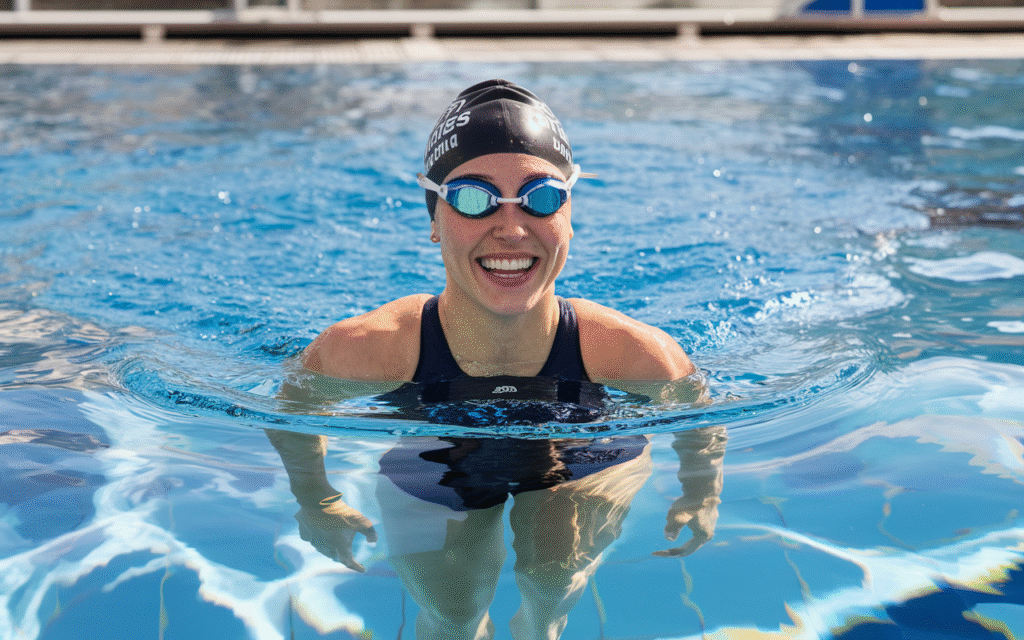
Although individual strands may feel nearly weightless, the performance of semipermanent lashes in aquatic environments is influenced by several factors beyond initial application quality.
- Bonding time of 24 to 48 hours is typically required post-application to ensure that adhesive fully sets before any water contact.
- Waterproof lash adhesive formulas may offer stronger hold, but repeated chlorine exposure from pools can still accelerate adhesive deterioration.
- Saltwater resistance depends not only on lash quality but also on duration of exposure, as saline content may dry the lash line and reduce retention.
- Lashsafe goggles serve as the most effective shield during vigorous or extended underwater activity, minimizing direct force against the lash line.
- Postswim care should always include rinsing with fresh water and air-drying or patting lashes with a clean, lint-free towel.
Professionals often recommend integrating a lash sealant into a regular eyelash aftercare routine for swimmers, especially when alternating between fresh and saltwater. Care should also be taken with sunscreen safety—products containing oil can compromise lash retention. To maintain appearance and structure, gently brushing lashes after swimming and allowing them to fully dry helps prevent tangling and premature shedding.
How Swimming Influences Eyelash Extension Retention
Different aquatic environments impose distinct physical and chemical stresses on synthetic lash fibers and their bonding agents, often leading to varied outcomes in retention and wear. Chlorine-treated pools, frequently used in public recreational settings, contain sanitizing compounds such as hypochlorous acid that can degrade the structural composition of cyanoacrylate adhesives.
Every 10 to 12 exposures to such water may contribute to adhesive breakdown in the absence of poolside care practices.
Ocean environments introduce osmotic imbalances, where salt crystals form along the lash line post-swim, pulling moisture from the skin and lashes, ultimately affecting lash hydration.
- Chlorinated pools erode lash adhesive gradually, particularly when swimming occurs several times a week without protective aftercare.
- Saltwater draws moisture from surrounding skin and can cause fine salt deposits to settle on lashes, disrupting adhesive bonds and requiring wet lash maintenance.
- Freshwater bodies such as lakes or rivers often contain bacteria and organic particles; these can contribute to mild irritation or longer-term lash displacement if lashes are not cleaned post-swim.
- Chemical pH shifts from pool sanitizers can destabilize adhesives designed for a neutral environment, impacting both retention and the safety of oceansafe extensions.
Regular aquatic activity also shifts the lash growth cycle through increased friction and moisture exposure. Swimmers who enter the water more than three times weekly typically require extension fills every 10 to 14 days, unlike others who can maintain lashes with bi-weekly appointments. Lash technicians often recommend recreational tips like wearing sealed goggles and using a post-swim sealant to extend lash curl and structure.
- Salt and chlorine accelerate deterioration of lash adhesives compared to freshwater, raising the frequency of beauty maintenance routines.
- Regular swimmers also experience mechanical lash loss from water pressure and rubbing, making curl preservation strategies more important.
To prevent unnecessary eyelash shedding and extend wear time, it is advisable to rinse lashes immediately after swimming and gently pat them dry. Oil-based sunscreens around the eye area should be avoided, as these hasten adhesive breakdown. Using swimmingfriendly lashes and consulting with a certified technician about proper application products can help ensure sustained lash quality between fills.
Choosing The Right Waterproof Adhesive For Lash Extensions
Exposure to water-based elements like chlorine and saltwater poses nuanced challenges for those with synthetic lash enhancements, particularly during aquatic activities. These environments accelerate adhesive deterioration and may shorten extension durability when proper care and product selection are overlooked.
How Swimming Influences Eyelash Extension Retention
- Identify Key Performance Characteristics of Lash Adhesives
- Lash glue suited for moisture-heavy climates contains stabilizers that maintain adhesion under chemically treated or saline water conditions, which supports damage prevention during frequent swimming.
- Bonding strength should remain resistant for at least 20 minutes of continuous water exposure without softening or detaching; this is influenced by the curing process and adhesive formulation.
- Curing process requires a strict 24- to 48-hour window post-application, during which exposure to humidity or perspiration can disrupt molecular bonding and lead to fallout prevention issues.
- Lash technician expertise plays a pivotal role in product selection; professionals often use adhesives optimized for prolonged moisture exposure and offer guidance on protective coating usage.
- Recommended Types of Adhesives Used by Professionals
- Professional-grade lash adhesives typically incorporate ethyl-cyanoacrylate to ensure rapid polymerization, boosting resistance to both chlorinated and salt-based environments.
- Lash sealant provides an added waterproof barrier, increasing the lifespan of extensions by reinforcing the bonding layer without altering synthetic fibers or lash flexibility.
- Saltwater and chlorine not only impact adhesives but can also dry out the lash line; rinsing with cool, clean water post-swim improves makeup remover safety by reducing chemical residue.
- Swim goggles limit lash submersion and reduce exposure to water turbulence, directly contributing to fallout prevention and longer retention.
Best Post-Swim Eyelash Extension Aftercare Tips
- Extension durability increases with mindful aftercare: pat lashes dry with a lint-free towel rather than rubbing to prevent misalignment or early detachment.
- Water exposure risks are highest during the first two days post-application; avoid any swimming, sweating, or steaming during this window to preserve adhesive integrity.
- Protective coating options like sealants should be reapplied weekly for those with active lifestyles or frequent water interactions, maintaining a waterproof sealant layer.
- Makeup remover safety is enhanced by avoiding oil-based products near the lash line, which can compromise the adhesive and shorten lash cycles.
- Fallout prevention strategies such as using a clean mascara wand to gently brush and reshape lashes help sustain the refresh routine after swimming.
Swimming and Eyelash Extensions
- Professional-grade adhesives with ethyl-cyanoacrylate offer rapid polymerization, enhancing water resistance in chlorinated and saltwater environments.
- Adhesive curing requires a 24- to 48-hour period post-application, during which water exposure can weaken molecular bonding and reduce retention.
- Using swim goggles minimizes lash submersion and turbulence, helping prevent premature lash fallout.
- Applying lash sealant weekly reinforces waterproof protection, especially for individuals frequently exposed to water.
Best PostSwim Eyelash Extension Aftercare Tips
After emerging from chlorinated pools or saltwater environments, the condition of lash adhesives begins to shift, even before visible signs of wear appear. Microscopic changes may initiate subtle weakening around the lash base, particularly when adhesives haven’t been applied using activitysafe lashes or water-resistant formulas.
- Eyelash extensions: Rinse lashes thoroughly with clean, cool water immediately after swimming.
Tip: Salt and chlorine residues can trigger chemical reactions that break down adhesive polymers. To support adhesive survival in water, avoid overly warm rinses that could soften bonding interfaces.
- Lash glue: Refrain from rubbing or patting eyes with bath towels after swim sessions.
Tip: Instead, use a microfiber cloth with a towel drying method to gently blot around the lash line. This reduces friction, which compromises lash alignment and weakens bonds.
- Lash sealant: Once lashes are fully dry, apply a hydrophobic coating to reinforce protection.
Tip: A quality sealant adds layers of defense against UV degradation and water exposure, supporting UV protection and extending the life of adhesive layers.
- Lash maintenance: Gently groom lashes with a clean spoolie, preferably while lashes remain slightly damp from rinsing.
Tip: A grooming brush with soft bristles resets orientation and disrupts residue buildup before hardening, preserving curl and extension symmetry.
- Aftercare routine: Schedule professional fills every 2–3 weeks to restore lash density and adhesion.
Tip: Communicate your aquatic activity habits with your lash specialist; certified professionals can modify adhesives or curl types for improved moisture resilience.
Two Unique Key Points for Aftercare
- Saltwater and chlorine: Even brief exposure to pool or ocean water can introduce microscopic cracks in lash glue structure. These early failures go unnoticed until detachment begins. Rinsing with cool freshwater within 15 minutes post-swim mitigates accelerated breakdown.
- Professional lash technicians: Salons using studio-grade sealants—often formulated with reinforced polymers—offer better longevity than over-the-counter versions. These coatings are optimized for sweat resistance and aquatic endurance.
Every step of your postcare regimen contributes to keeping lash sets symmetrical, bonded, and aesthetically consistent, even with repeated water exposure. Proper maintenance enables reliable performance of even the most waterproof beauty options.
SemiPermanent Vs. WaterResistant Lash Extensions: What To Know For Swimming
Frequent swimmers who receive cosmetic treatments for the eye area often experience varying results depending on formula composition, application technique, and exposure to pool chemicals.
Individuals engaging in weekly water activities or high-performance training may encounter adhesive limitations unless their chosen lash enhancements are designed for moisture resistance and swim gear compatibility.
- Durability in Water:
– Traditional adhesives used in semipermanent enhancements often contain lower concentrations of ethyl cyanoacrylate, which exhibits increased glue solubility when routinely exposed to chlorinated and saltwater environments.
– Water-resistant formulations, originally developed for surgical adhesion, display enhanced bonding integrity and resist breakdown for up to three weeks under consistent aquatic conditions.
– Swimoptimized sets, crafted with higher viscosity bonds, offer improved retention across temperature fluctuations often encountered in hot tubs or oceanic currents. - Maintenance and Aftercare Routine:
– Semipermanent applications generally require touch-ups every two weeks, particularly following prolonged exposure to salt or chlorine, while water-resistant types can extend that cycle by several days or more.
– Enhancement care often includes in-salon application of a lash sealant, which forms a polymer shield that minimizes contaminant absorption during aquatic workouts.
– An effective after-swim routine includes gentle cleansing with oil-free solutions to remove residual chemicals and maintain the lash line’s health and appearance. - Swim Compatibility and Lifestyle Fit:
– Swim goggles are strongly advised for those with traditional adhesive applications, as they mitigate direct splash contact and support glue longevity.
– Active individuals participating in surf sessions, aqua cycling, or open-water sports may benefit from reduced upkeep and improved resilience offered by water-resistant options.
– Mascara alternatives, such as tinted lash serums or magnetic styles, are worth considering to avoid common issues with smudging and chemical buildup at the lash base.
- Lash adhesives used in water-resistant sets typically derive from medical-grade formulas designed to perform under wet conditions without compromising bonding integrity.
- Temperature fluctuations, especially in spas and geothermal pools, can expand glue polymers in semipermanent lashes, leading to accelerated weakening unless designed with moisture resistance in mind.
- Technician advice consistently recommends a minimum waiting period of 48 hours after application before any water exposure to ensure full curing of the adhesive, regardless of type.
Assessing how each formula withstands chemical stressors is key when selecting appropriate lash enhancements for aquatic environments. Before diving deeper into how chlorine directly impacts adhesive structure and retention, it’s useful to consider how different application methods respond over time under varying water conditions.
Lash Enhancements for Swimmers
- Water-resistant lash adhesives, often derived from medical-grade formulas, can maintain bonding integrity for up to three weeks in chlorinated or saltwater environments.
- Traditional lash adhesives with lower ethyl cyanoacrylate concentrations are more prone to breakdown when exposed to pool chemicals over time.
- A minimum 48-hour curing period after lash application is recommended before any water exposure to ensure optimal adhesive performance.
- Swim goggles help protect traditional lash applications from direct water contact, extending their durability and reducing maintenance frequency.
How Chlorine Exposure Affects Lash Adhesive Integrity
Competitive swimmers and casual beachgoers alike often overlook how regularly treated aquatic environments can wear down cosmetic enhancements. The chemical composition of chlorinated pool water interacts with synthetic adhesives used in semi-permanent beauty practices, leading to changes in performance and retention of lash attachments over time.
Cyanoacrylate-based adhesives, the primary bonding agent for most lash extensions, are particularly reactive to halogen elements such as chlorine.
When repeatedly exposed, these adhesives undergo a subtle yet cumulative degradation process that compromises bond durability.
This breakdown is due to chlorine’s polarity and volatility, which interfere with the polymer chains responsible for long-binding strength.
Though not immediately perceptible, wearers may notice premature lash shedding within 24 to 72 hours, especially after prolonged submersion or laps in high-chlorine pools. Over time, this compromises longwear techniques designed to maintain volume and symmetry.
Beyond structural weakening, dermal and ocular irritation can intensify as chlorine strips natural oils from the skin and lashes, leading to increased sensitivity.
This dehydration disrupts the adhesive’s curing environment—an overlooked factor that impacts the final bond strength of each lash application. Such exposure also elevates the risk of micro-cracking in the glue line due to drying effects, which accelerates detachment and reduces the window for durable application.
Preventive exposure guidance can help mitigate these outcomes.
Here’s how to maintain lash integrity in chemically treated water:.
- Wait at least 24 to 48 hours after lash application before entering chlorinated environments to allow full adhesive curing.
- Apply lash sealant approximately 30 minutes prior to swimming; this creates a temporary hydrophobic layer that resists initial chlorine infiltration.
- Use tight-seal swim goggles to block direct water contact—especially during extended sessions.
- After exiting the pool, rinse lashes immediately with fresh, chlorine-free water to dilute residual exposure.
- Instead of rubbing, gently pat the lash area dry with a clean, lint-free cloth to prevent mechanical stress on the adhesive bond.
Not all adhesives behave identically. Some lash brands formulate chlorinesafe options by incorporating stabilizing additives that buffer against chemical erosion. While these products improve initial retention under aquatic conditions, no formula is fully impervious to prolonged exposure. Regular fill appointments—typically every two weeks—are recommended for wearers with high aquatic activity, especially swimmers and surf enthusiasts seeking beachready lashes.
Consistency in aftercare remains essential, regardless of product choice. Adhering to swimproof practices and timely maintenance helps preserve both lash health and aesthetic form until your next professional fill timing. These proactive steps ensure the longevity of your lash investment, even amid frequent dives or chlorinated workouts.
