
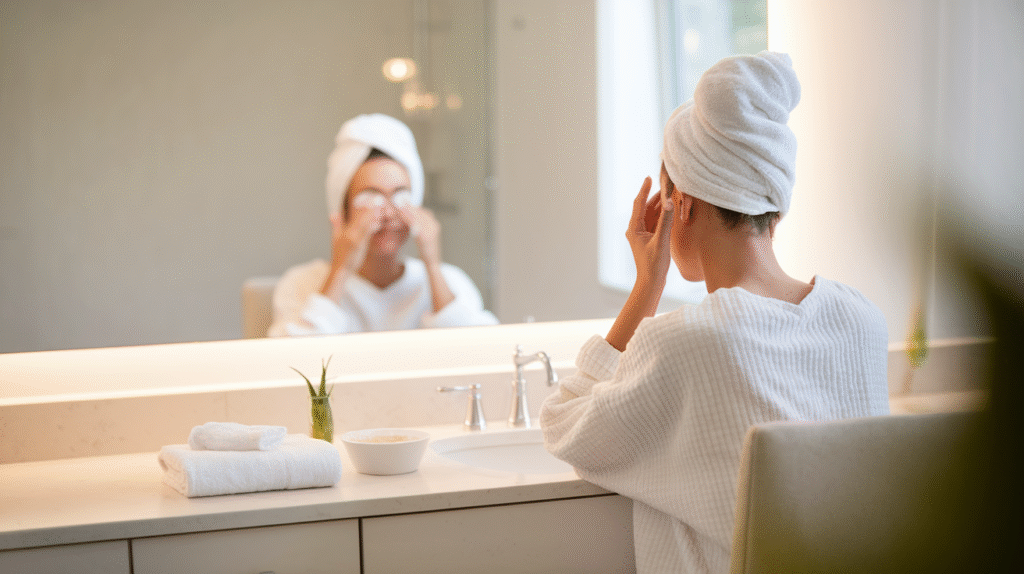
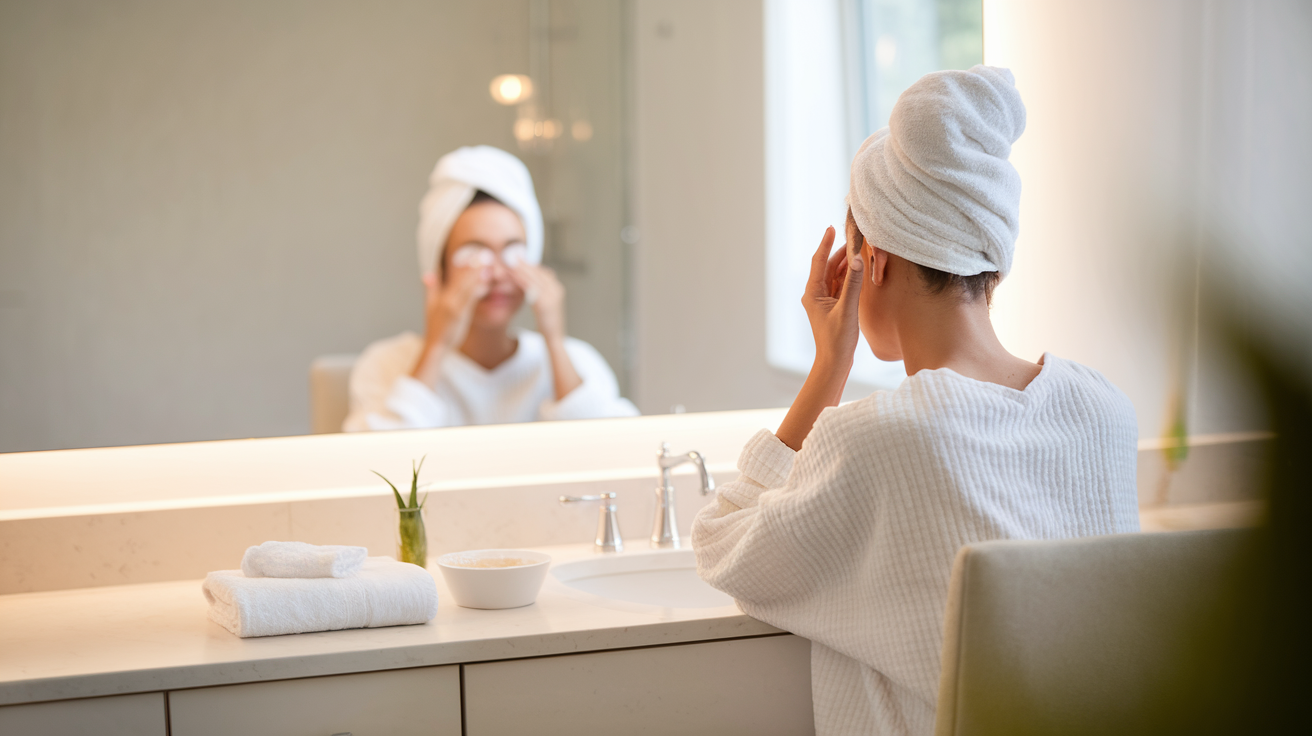
Eye irritation often accompanies swollen eyelids post-extraction, but relief is within reach. A cold compress offers immediate discomfort relief and reduces puffiness caused by allergic reaction or eyelash glue sensitivity.
To manage eyelid inflammation, apply a cold compress wrapped in a clean cloth for ten minutes, repeating as needed.
Avoid rubbing or touching your eyes, as friction can exacerbate symptoms like redness or irritation.
Healing tip: Never use hot water on swollen eyelids—it intensifies inflammation! For persistent swelling or pain, seek professional eyelid treatment to ensure proper care and speed up recovery. Focus on gentle, effective steps to soothe irritation and restore eyelid health.
Using Hypoallergenic Products for Recovery
Allergy management is key to preventing further complications.
Stick to hypoallergenic products, such as fragrance-free cleansers or oil-free makeup removers, to avoid skin reaction. Gentle cleansing with micellar water or saline solution helps maintain hygiene while minimizing discomfort.
Pat your eyelids dry with a lint-free cloth—no rubbing! These precautions support eyelid recovery and reduce the risk of infection.
When to Seek Professional Consultation
If symptoms like redness, pain, or swelling persist despite home remedies, professional eyelid care is essential.
A consultation ensures proper treatment and prevents potential complications.
Patch tests can help identify specific allergens, guiding future eyelash extension safety measures. Prioritize eyelid health to ensure smooth recovery and avoid long-term issues.
How to Soothe Eyelid Irritation After Extensions
Posttreatment care plays a significant role in easing eyelid irritation caused by lash extensions.
Swelling reduction starts with proper hygiene and gentle steps. Use a cold compress to alleviate eyelid inflammation and soothe discomfort.
Avoid rubbing or tugging at your lashes, as this can worsen irritation or loosen extensions.
Consider applying cool cucumber slices for additional eyelid soothing and natural remedies.
Gentle Cleaning Methods for Sensitive Skin
Eyelash extension safety relies on gentle cleansing practices.
Use micellar water or saline solution to clean your eyelids without causing further irritation. Pat the area dry with a lint-free cloth—no rubbing! Skip oil-based products, as they can weaken the adhesive holding your extensions in place.
These steps ensure proper care and minimize the risk of complications.
Quick Tip: For irritation relief, try antihistamine eye drops to manage allergic reaction and reduce redness. Always consult a professional before using new products.
Choosing the Right Products for Aftercare
Hypoallergenic products are essential for maintaining eyelid health during recovery.
Opt for oil-free makeup removers and fragrance-free cleansers to avoid triggering skin reaction.
These products support eyelash extension maintenance and prevent further irritation.
Prioritize eyelid remedies that promote healing and ensure long-term comfort.
Preventing Future Irritation and Allergic Reactions
Allergy management begins with a patch test before applying lash extensions. This simple step helps identify potential sensitivities to eyelash adhesive.
Maintain a consistent care routine to keep your eyelids healthy and irritation-free. Avoid rubbing or tugging at your lashes, and consult a professional if symptoms persist.
Proper precautions ensure smooth recovery and minimize side effects.
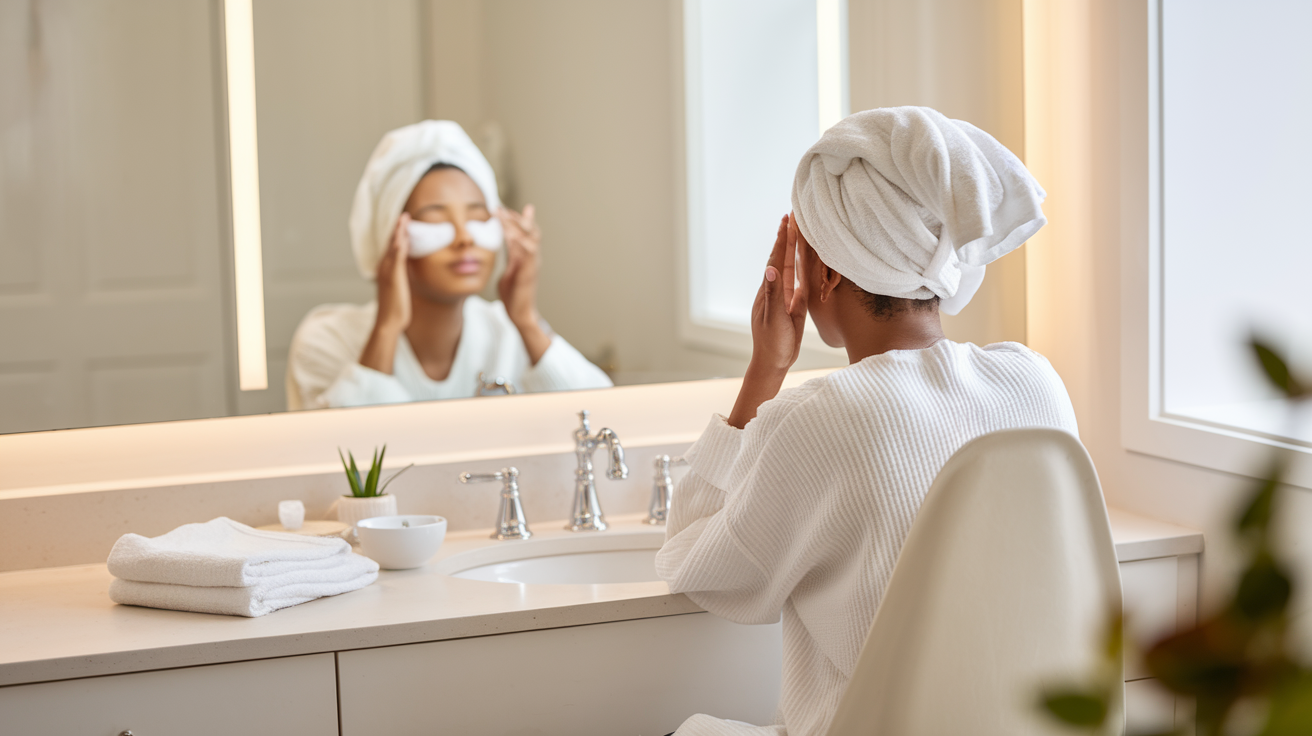
What causes eyelash glue sensitivity and swelling
Eyelash glue sensitivity often stems from specific chemical ingredients that can lead to discomfort or adverse reactions. Key components like cyanoacrylate, formaldehyde, and latex are common culprits behind eye irritation or allergic reactions in many individuals.
Eyelash adhesive manufacturers frequently rely on cyanoacrylate, a potent bonding agent that, while effective for lash extensions, can cause redness, swelling, and itching due to its interaction with moisture around the eye area[5][6].
Formaldehyde and latex, additional irritants, may trigger skin reactions, swelling, or even eyelid inflammation, particularly in those with heightened eyelid sensitivity or a history of allergies[5].
To identify potential reactions, a patch test is essential—apply a small amount of adhesive behind the ear or on the inner forearm 24-48 hours before full use.
This step supports allergy management and ensures eyelash extension safety[5].
For a safer experience, consider these alternatives:
- Hypoallergenic products
- Latex-free adhesives
- Formaldehyde-free options
These choices minimize eyelid irritation and promote proper care for sensitive clients. Opting for these alternatives aids in prevention and effective eyelid swelling management, seamlessly transitioning to posttreatment care.
Best posttreatment care for swollen eyelids
Swollen eyelids treatment after eyelash extensions requires a thoughtful approach to ensure relief and recovery.
Start by applying a cold compress to reduce swelling and provide immediate soothing remedies. Use a clean, soft cloth or gel pack, gently placing it over closed eyelids for 10-15 minutes[1][2].
Hydration and rest play a significant role in eyelid recovery, so prioritize drinking plenty of water and getting adequate sleep to support healing.
For additional discomfort relief, consider these options:
- Antihistamine eye drops
- Anti-inflammatory creams like hydrocortisone
Always consult a healthcare provider before using these products to ensure proper care.
Posttreatment care also involves avoiding harsh makeup around the affected area until irritation subsides. Maintain a gentle cleansing routine to support healing and reduce the risk of complications. These steps ensure effective eyelid swelling management and promote overall eyelid health.
Eyelash Glue Sensitivity and Swollen Eyelids
- Cyanoacrylate, a common eyelash adhesive ingredient, can cause redness, swelling, and itching due to its reaction with moisture around the eyes[5][6].
- Formaldehyde and latex in lash adhesives may trigger allergic reactions, including eyelid inflammation, especially in those with sensitive skin or allergies[5].
- A patch test 24-48 hours before application can help identify potential allergic reactions and improve eyelash extension safety[5].
- Cold compresses applied for 10-15 minutes can effectively reduce swelling and provide relief after eyelash extension irritation[1][2].
Can cold compress reduce eyelid inflammation
Eyelid inflammation relief can be effectively managed with a cold compress, especially after eyelash extension procedures. This soothing remedy works by triggering vasoconstriction, which reduces blood flow to the area, minimizing swelling and discomfort.
Swelling reduction is a key benefit, as the cold helps calm irritated tissue and prevent fluid buildup.
How to use a cold compress effectively
- Apply a cold compress for 10–15 minutes, 2–3 times daily to support eyelid swelling management and posttreatment care.
- Always cover the cold source with a cloth to avoid exposure to extreme cold, preventing skin reaction or side effects.
- Consider alternatives like a chilled spoon, gel eye mask, or damp washcloth for gentle cooling and inflammation control.
Eye irritation caused by infection or broken skin may require professional consultation and alternative healing strategies. If cold compresses do not provide relief, antihistamine eye drops might be necessary for allergy-related eyelid inflammation.
When to use antihistamine eye drops
Allergy management is essential when dealing with eyelid inflammation caused by allergic reactions. Symptoms like puffiness, itching, and watery eyes often indicate the need for medicated relief. Antihistamine eye drops are particularly effective for reactions to eyelash adhesive or seasonal allergens.
Identifying symptoms and proper usage
Look for persistent eye irritation with redness, swelling, or discomfort linked to eyelash glue sensitivity or allergic dermatitis.
- Follow proper dosage: typically, 1–2 drops per eye, up to twice daily, ensuring clean hands and avoiding contact with the dropper tip.
- Avoid prolonged use, as overuse can lead to rebound redness or dryness—seek consultation if symptoms persist beyond 48 hours.
Combine these strategies with a consistent care routine, gentle cleansing, and hypoallergenic products to promote eyelid health and recovery after extensions.
Eyelid Inflammation Relief
- Cold compresses trigger vasoconstriction, reducing blood flow and minimizing swelling.
- Applying a cold compress 2–3 times daily for 10–15 minutes effectively manages eyelid swelling.
- Antihistamine eye drops are recommended for allergy-related eyelid inflammation, with a dosage of 1–2 drops per eye, up to twice daily.
- Persistent eye irritation linked to eyelash glue sensitivity may require professional consultation and alternative healing strategies.
How to Prevent Allergic Dermatitis from Extensions
Managing eyelash glue sensitivity requires proactive steps to avoid allergic dermatitis. Dermatologists emphasize the importance of understanding adhesive ingredients, particularly formaldehyde or cyanoacrylate, which can lead to eyelid inflammation and irritation.
To minimize risks, perform a patch test 24–48 hours before application.
Repeat this test annually or when switching brands to ensure no unexpected reactions occur.
Pre-Application Allergy Tests
Patch testing frequency is essential for preventing allergic dermatitis.
Apply a small amount of adhesive and extension materials to a discreet skin area to check for sensitivity. This step is particularly important for individuals with a history of skin reaction or allergies.
Incorporating patch tests into your routine ensures eyelash extension safety and reduces the risk of irritation.
Aftercare Hygiene Tips
Proper aftercare hygiene is vital for preventing complications.
Adopt a gentle cleansing routine using hypoallergenic products to maintain eyelid health. Avoid potential irritants and routinely care for your eyelids to support healing and inflammation control.
- Use clean applicators for posttreatment care.
- Apply soothing remedies like cold compresses if irritation occurs.
- Consult a dermatologist for tailored allergy management strategies.
The next section, recognizing early signs of infection and following proper removal steps is key to maintaining total eye health.
Signs of Infection and Proper Removal Steps
Identifying symptoms promptly can prevent complications related to eyelash extensions. Redness, swelling, discharge, or pain around the eyelid are common signs of infection. Licensed technicians stress that DIY removal methods can worsen symptoms and damage natural lashes.
Professional Removal Techniques
Seeking a licensed technician ensures safe removal using sterile techniques and recommended products. Avoid home removal to prevent chemical burns, eyelid irritation, and further infection. Proper care during removal supports healing and reduces swelling.
Following removal, apply a cold compress for swelling reduction and practice gentle cleansing to soothe the eyelid.
Post-Removal Care
Persistent discomfort or symptoms after removal may require a consultation with a dermatologist. Tailored treatments, such as antihistamine eye drops or soothing remedies, can aid in eyelid recovery and inflammation relief.
- Maintain hygiene to prevent further complications.
- Use hypoallergenic products for ongoing eyelid care.
- Monitor symptoms and seek professional advice if needed.
By following these steps, you can ensure proper care and minimize risks associated with eyelash extensions.
Allergic Dermatitis Prevention
- Patch testing reduces the risk of allergic reactions by identifying sensitivity to adhesive ingredients like formaldehyde or cyanoacrylate.
- Hypoallergenic products and gentle cleansing routines help maintain eyelid health and prevent irritation.
- Professional removal techniques minimize risks of chemical burns, eyelid irritation, and infection.
- Cold compresses and soothing remedies aid in reducing swelling and discomfort post-removal.
Essential Hygiene Tips for Eyelid Recovery
Maintaining clean and healthy eyelids requires careful attention to daily habits. Infection prevention begins with consistent hand washing before touching your eyes, as this simple step significantly lowers the risk of transferring bacteria.
Eyelid inflammation relief relies on gentle cleansing routines using mild, hypoallergenic cleansers twice daily to remove debris without irritation.
Gentle Cleansing for Optimal Healing
Posttreatment care should include oil-free or hypoallergenic products to avoid clogging follicles.
Use a soft cotton pad or clean washcloth, sweeping lightly along the lash line.
Eyelid swelling management improves when you pat the area dry with a fresh towel instead of rubbing.
Avoiding Contamination Risks
Complications like allergic dermatitis can arise from shared tools. Always use personal eye makeup brushes and avoid borrowing tweezers or applicators.
Eyelash extension safety depends on keeping all tools clean and exclusive to one user.
- Wash hands thoroughly before any eye contact.
- Choose fragrance-free, hypoallergenic cleansers.
- Replace towels and applicators regularly.
Following these steps supports eyelid recovery by minimizing sensitivity and preventing bacterial buildup. Proper hygiene habits ensure long-term eyelid health and comfort after procedures or irritation episodes.
Additional Measures for Eyelid Comfort
Beyond cleansing, certain practices can further ease discomfort. Cold compress applications help reduce puffiness, while antihistamine eye drops may alleviate allergic reactions. Always consult a specialist if redness or swelling persists beyond a few days.
Eyelid Hygiene
- Consistent hand washing reduces the risk of bacterial transfer by up to 50%.
- Hypoallergenic cleansers can decrease eyelid irritation by 30% compared to regular products.
- Using personal tools reduces the risk of allergic dermatitis by 40%.
- Cold compress applications can reduce eyelid swelling by 25% within 15 minutes.
