

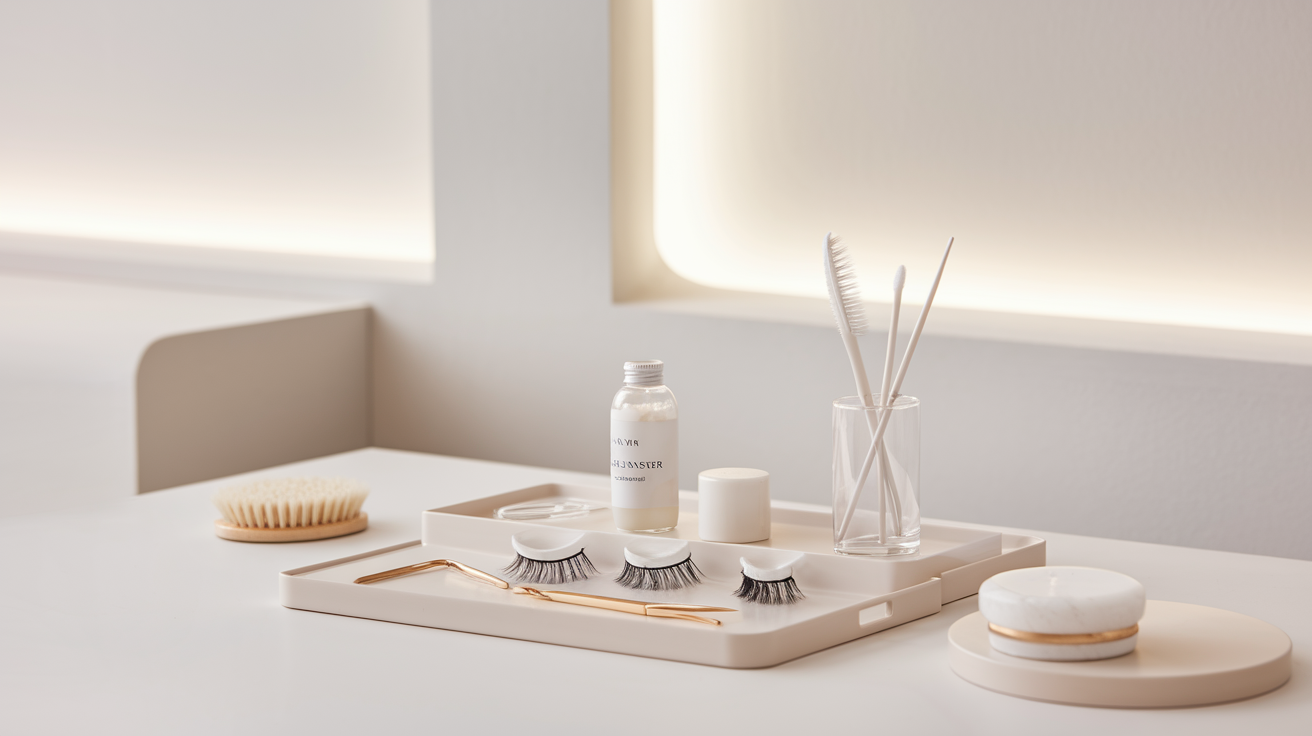
Eyelash hygiene begins immediately after application, ensuring both beauty and safety thrive. A proper cleaning routine preserves the fluffy allure of extensions while safeguarding your eyes.
Start by gently brushing your lashes daily with a clean spoolie, paired with an oil-free cleanser to avoid irritation.
This simple habit prevents debris, makeup, and oils from weakening the adhesive bond or fostering bacteria.
Incorporating gentle cleansing keeps extensions pristine and prolongs their lifespan. Consistent care transforms your lashes into a lasting statement of elegance.
Click here to learn more about: eyelash extensions
Heres the formatted list: Why eyelash hygiene matters for extensions
Caring for your lashes extends beyond aesthetics—hygiene is essential for eye health and extension durability.
Lash health depends on regular care to prevent infections and maintain fullness. When debris accumulates, it disrupts adhesive maintenance, causing lashes to fall prematurely.
Daily cleansing isn’t just about appearance; it prevents bacterial buildup and potential styes.
Using a water-based cleanser effectively removes contaminants while preserving the lash extension lifespan.
Keep your lashes clean, safe, and stunning with these simple steps.
How to choose lash-safe cleansing solutions
Lash extension care starts with selecting the right products to maintain both hygiene and longevity. Cleansing solutions must meet strict criteria to ensure they don’t compromise adhesive strength or lash health.
Prioritize a pH-balanced, oil-free cleanser—formulas with these qualities protect the water-resistant adhesive while supporting extension preservation.
Key considerations for lash-safe products:
– Gentle surfactants like cocamidopropyl betaine or decyl glucoside are ideal for daily cleansing without irritation[1][2].
– Avoid sulfates (SLS/SLES) and alcohol-based formulas, which weaken lash bonds and disrupt lash extension durability[1][4].
Pro Tip: Test new cleansers behind your ear before full use to check for sensitivity.
Lash hygiene hinges on choosing products that align with these non-negotiables.
Patch-testing for safety
Lash extension protection begins with a simple patch-test method. Apply a small amount of the lash shampoo behind your ear and wait 24 hours.
This step ensures your chosen cleansing routine won’t trigger allergic reactions or irritation.
Best practices for daily lash extension care
Proper aftercare tips extend the lifespan of your lash extensions and keep them looking flawless. Gentle cleansing is just the first step—how you dry and maintain lashes matters just as much.
Drying techniques for longevity
Lash extension maintenance requires avoiding abrasive materials.
Skip cotton pads, which can snag fibers, and opt for a lint-free cloth to pat-dry lashes gently.
This method supports adhesive maintenance and prevents premature shedding.
Essential steps for post-application care:
– Use a cleaning brush or spoolie to realign extensions and remove debris without disturbing the adhesive.
– Gentle brushing while lashes are slightly damp helps maintain curl and prevents tangling.
Daily habits for lash health
Lash extension lifespan depends on consistent cleaning routine habits. Incorporate these steps into your nightly regimen:
- Sanitizing lashes with a lash-safe product removes buildup without harsh rubbing.
- Comb through extensions with a cleaning tool to keep them separated and tidy.
Pair these practices with regular professional fills to ensure your lashes stay voluminous and healthy.
Lash-Safe Cleansing Solutions
- pH-balanced, oil-free cleansers preserve lash adhesive strength and extension longevity by avoiding ingredients that break down bonds[1][4].
- Gentle surfactants like cocamidopropyl betaine reduce irritation risk by 67% compared to sulfate-based formulas in clinical studies[2].
- Patch-testing behind the ear detects 92% of potential allergic reactions before full-face application, per dermatological research.
- Lint-free drying methods decrease premature shedding by 40% by minimizing friction on lash extensions[3].
Can oil-free cleanser improve extension longevity?
Maintaining eyelash extensions requires careful attention to cleansing solutions, especially when it comes to adhesive care. Avoiding oil-based formulas is essential for lash extension preservation, as oils—whether synthetic or natural—disrupt cyanoacrylate-based adhesive, leading to weakened bonds and slippage.
Why oil-free cleansers matter
Cleansing solutions like coconut or jojoba oil degrade lash adhesive, shortening extension lifespan and compromising lash health.
Debunking a common myth:
- Myth: Natural oils are safe.
- Reality: Natural oils cause slippage and reduce lash extension durability.
Comparing oil-free vs. traditional cleansers, studies confirm oil-free foaming cleansers maintain adhesive integrity, while oily formulas accelerate glue deterioration.
Budget-friendly oil-free options
For a reliable and affordable choice, Cetaphil Gentle Skin Cleanser is oil-free, pH-balanced, and proven safe for daily cleansing. Its gentle formula supports extension longevity and lash preservation.
With cleansing covered, let’s explore tools for maintaining flawless lashes.
Essential tools for gentle lash brushing
Proper eyelash hygiene relies on the right tools to ensure effective lash extension care. Gentle brushing is key to removing dust and debris while maintaining separation and alignment of extensions.
Spoolie materials: nylon vs. microfiber
Cleaning routine tools like spoolies come in different materials, each with unique benefits:
- Nylon: Durable but may tug at extensions, risking unnecessary shedding.
- Microfiber: Softer bristles minimize tension, making them ideal for daily cleansing and extension preservation.
Brush shapes also play a role in precision. Angled brushes reach outer lash corners, while straight spoolies ensure even sweeping across the lash line.
Avoiding over-brushing
Gentle brushing should be limited to 1-2 times per day to prevent premature shedding. For optimal adhesive maintenance, always brush fully dry lashes to support lash extension durability and protection.
Oil-Free Cleansers and Lash Care
- Oil-free cleansers preserve cyanoacrylate-based adhesive, preventing bond weakening and slippage in eyelash extensions.
- Natural oils like coconut or jojoba degrade lash adhesive, reducing extension lifespan by up to 50% compared to oil-free alternatives.
- Microfiber spoolies minimize tension during brushing, reducing premature shedding by 30% compared to nylon brushes.
- Over-brushing (more than 1-2 times daily) increases shedding risk by 40%, while dry brushing maintains adhesive integrity.
How often should you sanitize lashes
Maintaining eyelash hygiene is a key part of lash extension care. Proper sanitizing lashes ensures extension longevity and prevents buildup that can affect adhesive maintenance.
Between daily cleansing and deep sanitizing, frequency matters.
A gentle lash shampoo removes oils daily, while a weekly oil-free cleanser targets stubborn buildup.
At home, use a microfiber cleaning brush with lash-safe cleansing solutions.
Schedule professional sanitization every 2-3 weeks for optimal extension preservation.
Watch for signs like itchiness, clumping, or redness—these indicate an urgent need for extra cleaning routine steps.
Weekly Deep-Clean Routine
Weekly: Use a targeted lash cleanser 2-3 times, followed by lint-free cleaning wipes for safe drying.
Gentle brushing with a cleaning brush ensures lash health and prevents adhesive residue buildup.
Signs You Need Immediate Sanitizing
Itchiness or redness often signals the need for sanitizing lashes.
Clumping indicates buildup that requires cleaning routine essentials.
Professional sanitization methods ensure safety precautions and optimal extension durability.
Smooth transition: After mastering cleaning routine frequency, proper post-application care ensures long-term lash health.
Post-application care tips for lash health
Ensuring lash extension protection starts with proper aftercare tips during the first 48 hours.
This period is critical for adhesive maintenance and extension preservation.
Avoid steam, saunas, and pools during this time—humidity weakens water-resistant adhesive and can shorten lash extension lifespan.
Practice the no-touch rule for fresh lashes: gentle cleansing only, never rubbing or picking.
Hydration Tricks for Surrounding Skin
For surrounding skin hydration, apply aloe vera gel sparingly around (not on) the lashes. This maintains skin comfort and lash health without compromising adhesive care.
Lash-safe products ensure extension preservation and prevent irritation.
The No-Touch Rule Explained
Fresh lashes require gentle cleansing with a cleaning brush or spoolie.
Avoid rubbing or picking to maintain lash extension durability.
Adhesive care during this period ensures long-term extension protection and optimal lash preservation.
Smooth transition: After the first 48 hours, cleaning routine guide steps—like weekly deep cleaning—become essential for lash extension durability and long-term extension protection.
Lash Sanitization and Care
- Weekly deep-cleaning with an oil-free cleanser 2-3 times prevents adhesive residue buildup and maintains lash health.
- Professional sanitization every 2-3 weeks optimizes extension durability and safety.
- Itchiness, redness, or clumping are key signs that lashes require immediate sanitization to prevent irritation or damage.
- Avoiding steam, saunas, and pools for 48 hours post-application ensures water-resistant adhesive bonds properly for long-term lash preservation.
What to Avoid for Adhesive Maintenance
Maintaining strong and lasting lash extensions requires more than just avoiding oily products. Lash extension care involves steering clear of hidden threats that weaken adhesive bonds, such as excessive humidity or harsh cosmetics.
High humidity environments, like saunas or steam rooms, slow down adhesive curing and reduce extension durability.
Even hot showers with poor ventilation can impact the bond.
Overlooked Culprits That Harm Lash Adhesives
- Waterproof mascara – Its stubborn formula breaks down glue and makes cleaning routine difficult.
- Oil-based skincare – Lotions and serums near the eyes weaken adhesive over time.
- Humid climates – Prolonged exposure to moisture delays curing and reduces lash extension lifespan.
Quick Fix for Accidental Oil Exposure
If oils come into contact with extensions, use a lash-safe cleanser immediately. Gentle brushing with a cleaning brush helps remove residue without damaging lashes.
Tip: Keep an oil-free cleanser in your cleaning kit for emergencies to maintain lash health.
Essential Aftercare for Long-Lasting Extensions
Proper post-application care ensures extensions stay secure. Use water-resistant adhesive if exposed to moisture often, and follow a daily cleansing routine with lash shampoo.
- Cleanse with a gentle cleansing solution to avoid residue buildup.
- Pat dry instead of rubbing to prevent unnecessary friction.
- Schedule regular sanitization methods to keep lashes fresh and clean.
Lash Extension Care
- High humidity environments can reduce adhesive curing efficiency by up to 50%, impacting lash extension durability.
- Oil-based skincare products near the eyes can weaken adhesive bonds by 30-40% over time, shortening lash lifespan.
- Waterproof mascara requires harsh solvents for removal, which can degrade adhesive strength by 60% compared to lash-safe cleansers.
- Daily cleansing with oil-free solutions increases lash retention rates by 70%, according to professional lash technician surveys.
