
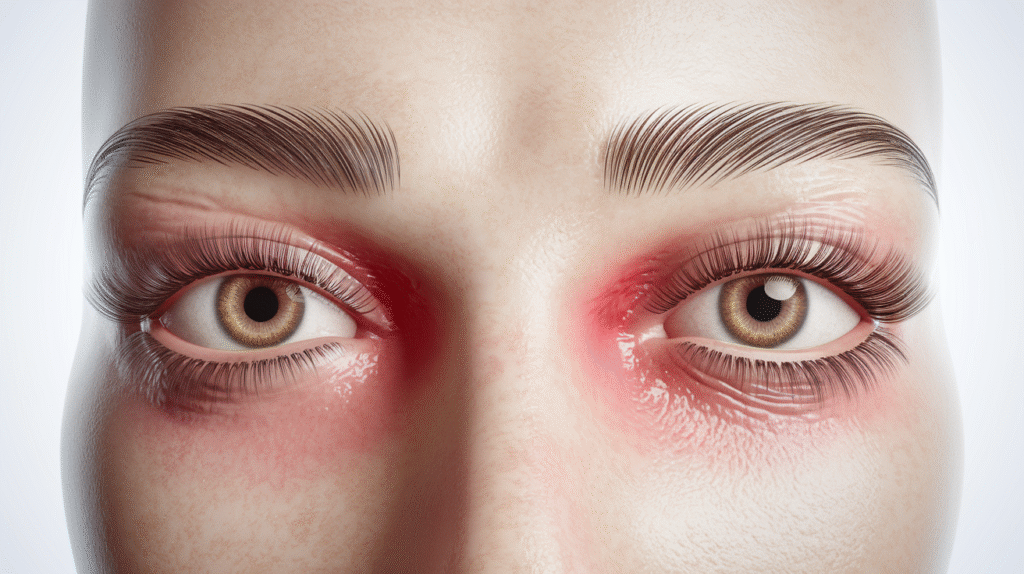
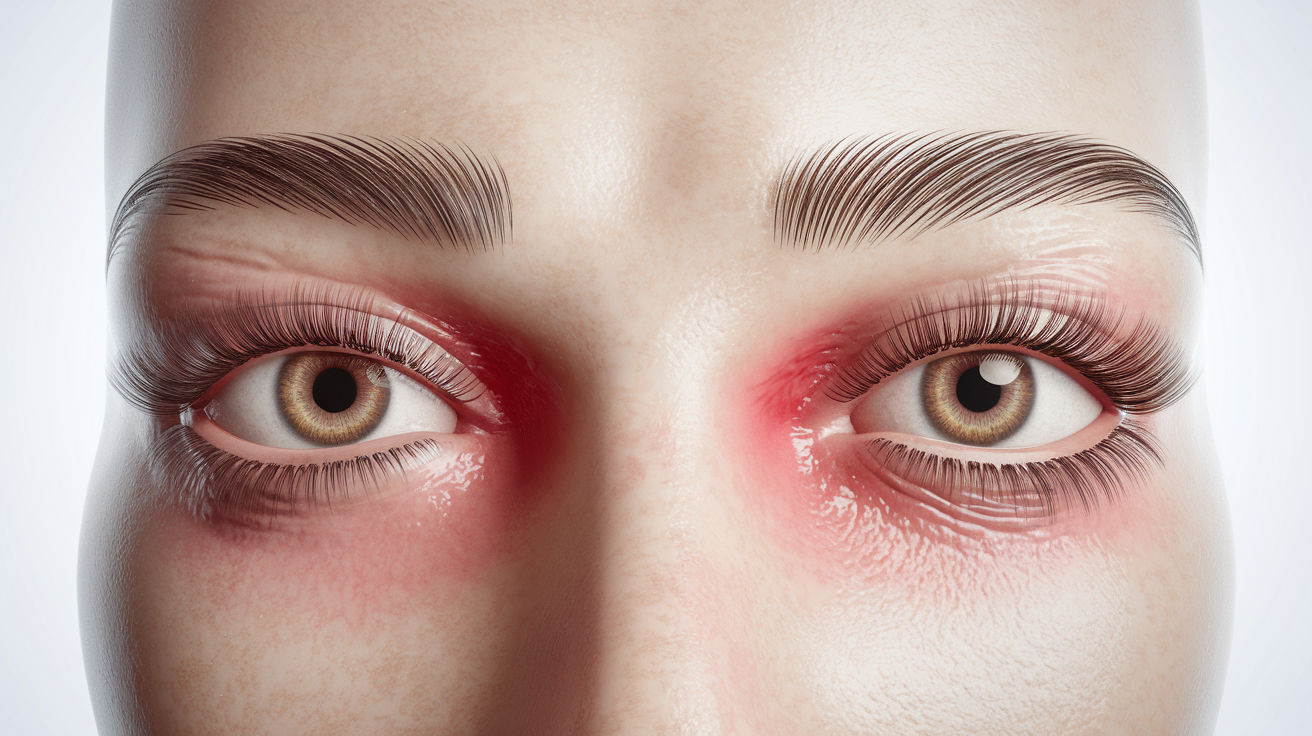
Eyelash extension infection rates are climbing as the demand for fuller lashes grows, but hygiene practices often fall short, leading to serious medical concerns. Infected eyelash extensions commonly result in discomfort, manifesting as eye irritation, stye formation, or even bacterial conjunctivitis.
Extension complications such as swollen eyelids and red eyes are frequent when adhesive quality is compromised or cleaning methods are ignored.
Early warning signals include persistent itching, crusty lashes, and redness—clear signs of underlying infection symptoms.
Recognizing these potential risks is key to addressing bacterial infection risks and implementing prevention tips.
‘Click here to learn more about:’ eyelash extensions
Bacterial Infection Risks
Bacterial infection poses a significant threat to those who use eyelash extensions, with swollen eyelids and red eyes being common symptoms.
Exposure to contaminated tools or poor salon hygiene can exacerbate these issues.
Health hazards associated with lash extensions can be minimized by adopting prevention tips and ensuring proper maintenance methods.
Below are lesser-known risk factors tied to bacterial infections:
- Misuse of contact lenses with lash extensions.
- Failure to clean lash tools after every use.
- Application of expired adhesives.
- Sleeping while still wearing makeup.
- Sharing lash brushes or tweezers.
- Exposure to contaminated water or towels.
- Ignoring cleaning methods post-application.
- Poor ventilation in the treatment area.
- Too frequent lash application with little recovery time.
- Neglecting hygiene practices for aftercare.
- Dirty workstations or poor studio cleanliness.
- Use of non-hypoallergenic or substandard adhesives.
Taking care advice steps like regular cleaning and safe maintenance can significantly reduce infection symptoms and extension complications. Addressing these factors ensures smoother transitions toward recovery steps and enhances overall eye health.
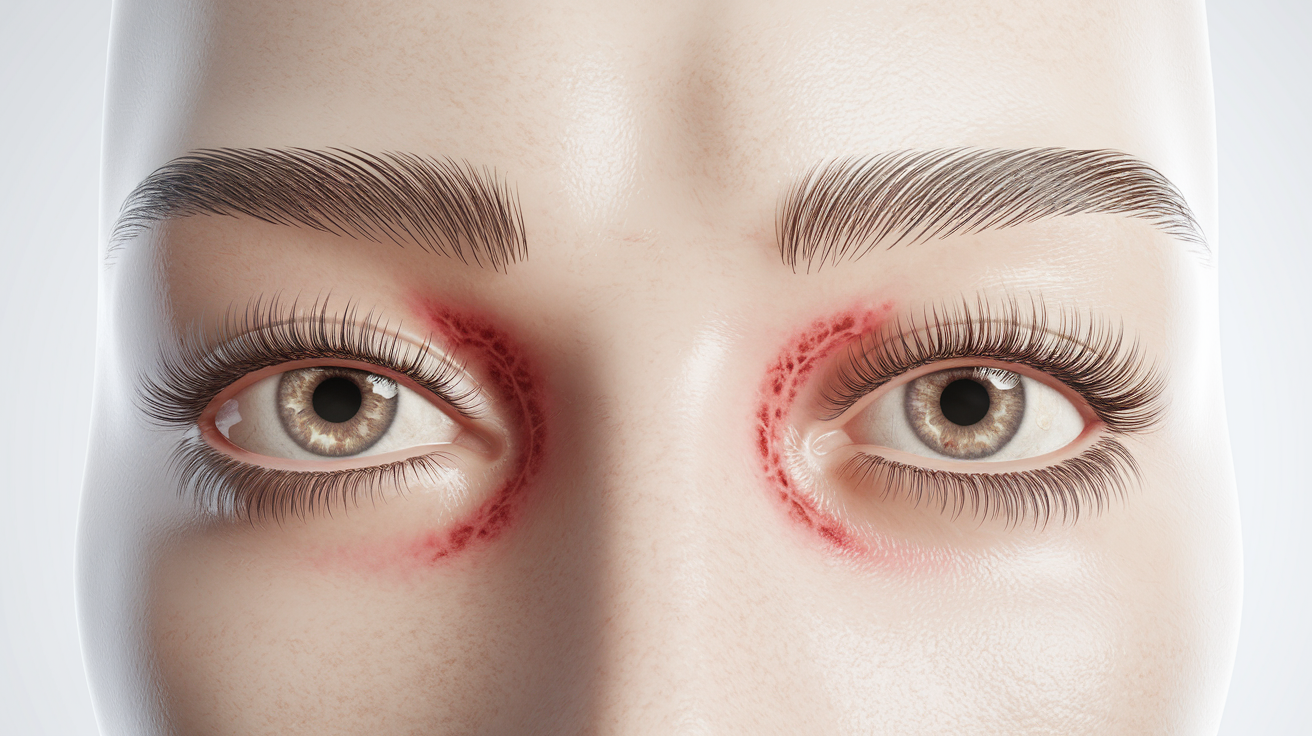
Inflamed Follicle Causes
Several factors contribute to inflamed follicles, often linked to external irritants or improper cosmetic use. Bacterial infection from contaminated tools or poor hygiene practices is a common trigger, with Staphylococcus aureus being a frequent culprit.
Primary Contributors
- Blocked meibomian glands—oil glands along the eyelid—can trap debris, leading to stye formation and discomfort reasons like swelling.
- Environmental pollutants, such as dust or smoke, worsen inflammation causes and may introduce fungal growth.
Tip: Apply a warm compress for 10 minutes, three times daily, to soothe irritation signs and promote recovery steps.
Cosmetic products like heavy adhesives or expired makeup can trigger adhesive allergy, while lash mites may cause persistent itching factors. Regular cleaning methods and salon hygiene checks reduce potential risks.
Eye Irritation Symptoms
Distinguishing irritation from allergies helps identify underlying issues early. Eye irritation often stems from extension complications or glue sensitivity, presenting differently than allergic reactions.
Key Indicators
- Red eyes and light sensitivity often signal irritation signs, not just allergy indicators.
- Grittiness or watery discharge may point to bacterial infection or contaminated tools.
Persistent symptoms like crusty lashes or pain sources warrant professional services. If swelling causes vision changes or pus develops within 48 hours, seek treatment options immediately.
Note: Mild discomfort reasons may resolve with proper aftercare, but severe infection symptoms require clinic visits.
Inflamed Follicles and Eye Irritation
- Bacterial infections, particularly from Staphylococcus aureus, are a leading cause of inflamed follicles due to contaminated tools or poor hygiene.
- Blocked meibomian glands can trap debris, leading to stye formation and discomfort, while environmental pollutants like dust or smoke exacerbate inflammation.
- Cosmetic products, such as heavy adhesives or expired makeup, can trigger allergic reactions or attract lash mites, causing persistent itching.
- Eye irritation symptoms like redness, grittiness, or watery discharge often indicate bacterial infection or sensitivity to lash extensions and adhesives.
Allergic Reaction Signs
Eyelash extension irritation often signals an allergic reaction that can appear abruptly, contrasting with the slower onset typical of bacterial infection. Seasonal allergens like pollen and grass are common triggers, especially in spring, while chronic factors such as pet dander or dust mites can persist year-round and worsen symptoms around delicate skin.
For quick non-medical relief, gently rinse your eyes with cold water or apply a cold compress to ease discomfort.
.
Common Symptoms of Allergic Reactions
- Itching around the eyes or eyelids
- Swelling around the eyelids
- Facial skin irritation
Allergic reaction symptoms require immediate attention, especially if they persist or worsen. Repeated exposure to triggers like glue sensitivity or contaminated tools can exacerbate irritation signs.
Proactive management, including identifying allergy indicators and avoiding contamination sources, ensures better eye health. This approach smoothly transitions to understanding other triggers for comprehensive care strategies.
Swollen Eyelids Triggers
Swollen eyelids can result from various factors, some of which are less obvious than traditional allergy indicators. Sleep deprivation, stress, and hormonal fluctuations are uncommon causes that contribute to discomfort and puffiness. Blepharitis prevention ties closely to hygiene practices, particularly for individuals using eyelash extensions exposed to contaminated tools or adhesive allergy risks.
Uncommon Causes of Swelling
- Hormonal fluctuations
- Dehydration
- Sleep deprivation
Swollen eyelids often respond well to a cold compress. Place a clean cloth soaked in cold water gently over your closed eyes for several minutes to reduce puffiness.
Maintaining cleanliness and being aware of warning signals like redness triggers or discomfort reasons help prevent complications. Proactive care, including regular cleaning methods and safety measures, promotes lasting eye comfort and health.
| Allergic Reaction Triggers | Swollen Eyelids Causes | Quick Relief Methods |
|---|---|---|
| Seasonal allergens (pollen, grass) | Hormonal fluctuations | Cold water rinse |
| Pet dander or dust mites | Dehydration | Cold compress application |
| Glue sensitivity or contaminated tools | Sleep deprivation | Clean cloth soaked in cold water |
Red Eyes Reasons
Several factors can lead to red eyes, ranging from temporary irritation to underlying infections. Digital eye strain is a common culprit, often caused by prolonged screen use without breaks.
Bacterial infection or allergic reaction may also contribute, but distinguishing between these causes is key for proper care.
Digital Strain vs.
Infections
Eye irritation from excessive device use differs significantly from conditions like conjunctivitis.
Extended screen time reduces blinking, leading to dryness and red eyes.
Adjusting brightness and practicing the 20-20-20 rule—looking 20 feet away every 20 minutes—helps minimize irritation signs.
- Glue sensitivity from lash extensions can mimic digital strain but often includes swollen eyelids or itchy eyelids.
- Infection symptoms like eye discharge or crusty lashes suggest conjunctivitis rather than screen-related fatigue.
Managing Redness
Hygiene practices play a major role in preventing redness triggers. For mild cases, artificial tears and reduced screen time alleviate discomfort reasons. Persistent infection symptoms warrant a visit to professional services to rule out medical concerns.
Note: Avoid conflating red eyes from digital strain with stye formation, as their treatments differ.
Stye Formation Factors
Styes often develop due to blocked follicles or external contaminants. Bacterial infection is a primary cause, frequently tied to contaminated tools or improper hygiene practices. Unlike red eyes, styes involve localized swelling and tenderness.
Common Triggers
Inflamed follicles result from bacterial growth or adhesive allergy. Shared makeup or expired products introduce infection symptoms, worsening swelling causes.
Always cleanse eyelids thoroughly and avoid contamination sources to prevent lash shedding complications.
- Poor aftercare—like sleeping with makeup—can lead to fungal growth or parasite presence.
- Technician error during lash applications may cause adhesive burn or retention problems.
Treatment Tips
Warm compresses applied for 10–15 minutes, 3–4 times daily, ease pain sources and encourage drainage. For recurring stye formation, assess salon hygiene and seek clinic visits if warning signals persist.
Reminder: Styes rarely stem from blepharitis, so focus on cleaning methods and safety measures for relief.
Red Eyes and Stye Formation
- Digital eye strain affects nearly 60% of adults due to prolonged screen use, often leading to dryness and redness.
- Conjunctivitis (pink eye) accounts for 1% of primary care visits annually, with bacterial infections being a common cause.
- Warm compresses can reduce stye swelling by up to 50% within 48 hours when applied consistently.
- Poor eyelid hygiene increases the risk of stye formation by 70%, especially when using contaminated makeup or tools.
Blepharitis Prevention Tips
Maintaining healthy eyelids requires consistent care and mindful product choices. Proper blepharitis prevention tips start with understanding how hygiene practices and gentle skincare routines can reduce the risk of swollen eyelids and irritation caused by inflamed follicles.
Incorporate a daily eyelid cleansing regimen, including warm compresses and hypoallergenic cleansers, to prevent bacterial infection and stye formation.
Tip: Applying warm compresses twice daily can significantly reduce eye discharge and soften crusty lashes caused by blepharitis.
Daily Routine Adjustments
Start with warm compresses for 5–10 minutes to loosen debris and soothe itchy eyelids.
Follow this with gentle lid scrubs using mild, hypoallergenic cleansers to minimize allergic reaction risks.
Avoid harsh soaps or contaminated tools, as these can exacerbate eye irritation and fungal growth.
- Warm Compresses: Helps reduce inflammation and crusty lashes effectively.
- Hypoallergenic Cleansers: Ensures gentle cleaning without triggering glue sensitivity.
Product Swaps for Eye Health
Making strategic makeup swaps is essential for preventing extension complications. Choose fragrance-free and oil-free products to avoid adhesive allergy or fungal infection risks. Avoid heavy eye makeup and contact lenses during flare-ups to reduce the likelihood of red eyes and discomfort.
Reminder: Opt for products specifically formulated to minimize adhesive burn and irritation signs.
Hygiene Practices
Keep personal hygiene tools clean and dedicated to eye care to prevent contamination sources and bacterial growth. Regularly sanitize brushes and applicators to avoid parasite presence or lash shedding caused by fungal infection. Proper care reduces the risk of itchy eyelids and other discomfort reasons.
- Clean Tools: Prevents bacterial infection and technician error.
- Sanitized Brushes: Minimizes fungal growth and swelling causes.
Commitment to these prevention tips supports long-term eyelid health, reducing triggers that often lead to blepharitis and conjunctivitis. Regular maintenance ensures comfort and prevents potential risks associated with poor aftercare or retention problems.
Blepharitis Prevention
- Warm compresses applied twice daily can reduce eye discharge and soften crusty lashes caused by blepharitis.
- Using hypoallergenic cleansers minimizes the risk of allergic reactions and ensures gentle eyelid cleaning.
- Regularly sanitizing makeup brushes and tools prevents bacterial and fungal infections, reducing eyelid irritation.
- Opting for fragrance-free and oil-free makeup products lowers the risk of adhesive allergies and fungal infections.
