
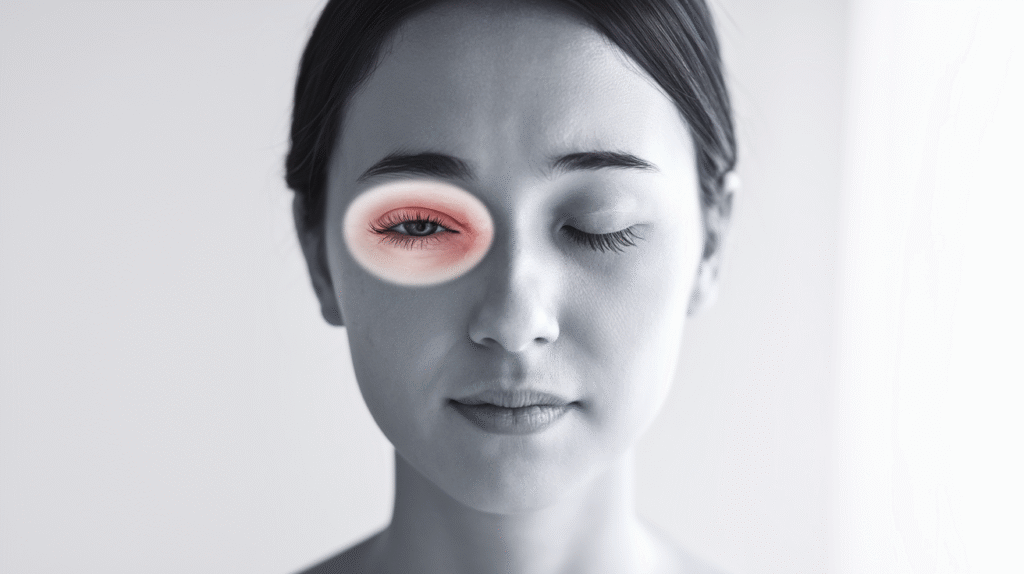
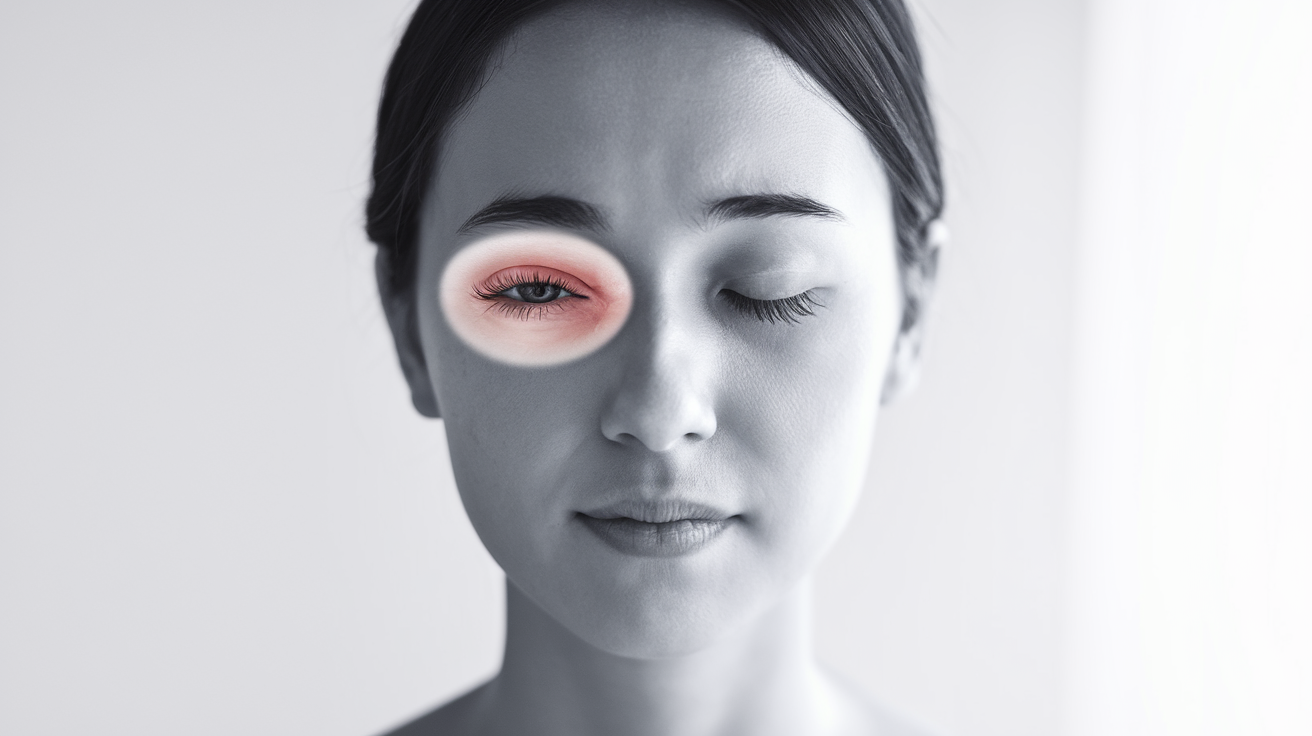
Only one eyelid swollen after eyelash extensions can spark concern and highlights potential risks tied to eyelash adhesive reaction. Experiencing unilateral edema often points to localized eyelid inflammation caused by substances like lash glue, particularly if application side effects appear within 72 hours of your cosmetic procedure side effect.
Observing localized swelling or redness requires prompt action for discomfort relief and effective swollen eyelid management.
Identifying the exact swelling causes guides you toward remedies like cold compresses, lash extension removal, or seeking medical advice for allergic reaction treatment.
- Sudden asymmetrical swelling might indicate lash glue sensitivity or application issues.
- Immediate itchy or painful eyelid redness often necessitates allergy symptoms assessment.
- Lash extension aftercare and proper hygiene prevent future procedure risks.
Early detection and care are key to managing eyelid tenderness and irritation symptoms effectively.
“Click here to learn more about: ” eyelash extensions
‘Click here to learn more about:’ eyelash extensions
Why is one eyelid swollen after lash extensions
Lash extension allergy can lead to asymmetrical swelling shortly after receiving new lashes. A eyelash adhesive reaction occurs when ingredients like formaldehyde, cyanoacrylate, or latex trigger eye sensitivity and eyelid tenderness. Improper application techniques—such as placing lashes too close or using excess weight—may result in postapplication irritation and unilateral edema. Bacterial infection from poor application hygiene can also cause follicle inflammation and discomfort.
Common Causes of Swelling
- Patch testing before a full set minimizes swelling causes and allergic dermatitis risk.
- Using a gentle cold compress provides puffiness relief and swollen eyelid remedy without pressure or rubbing.
Proper application hygiene and ingredient awareness reduce eye sensitivity and irritation symptoms.
Preventing Swelling
Early detection of eye inflammation, allergy symptoms, or irritation ensures swift extension care and reduces extension risks for future applications. Prioritizing adhesive safety and application hygiene helps prevent swelling and irritation symptoms.
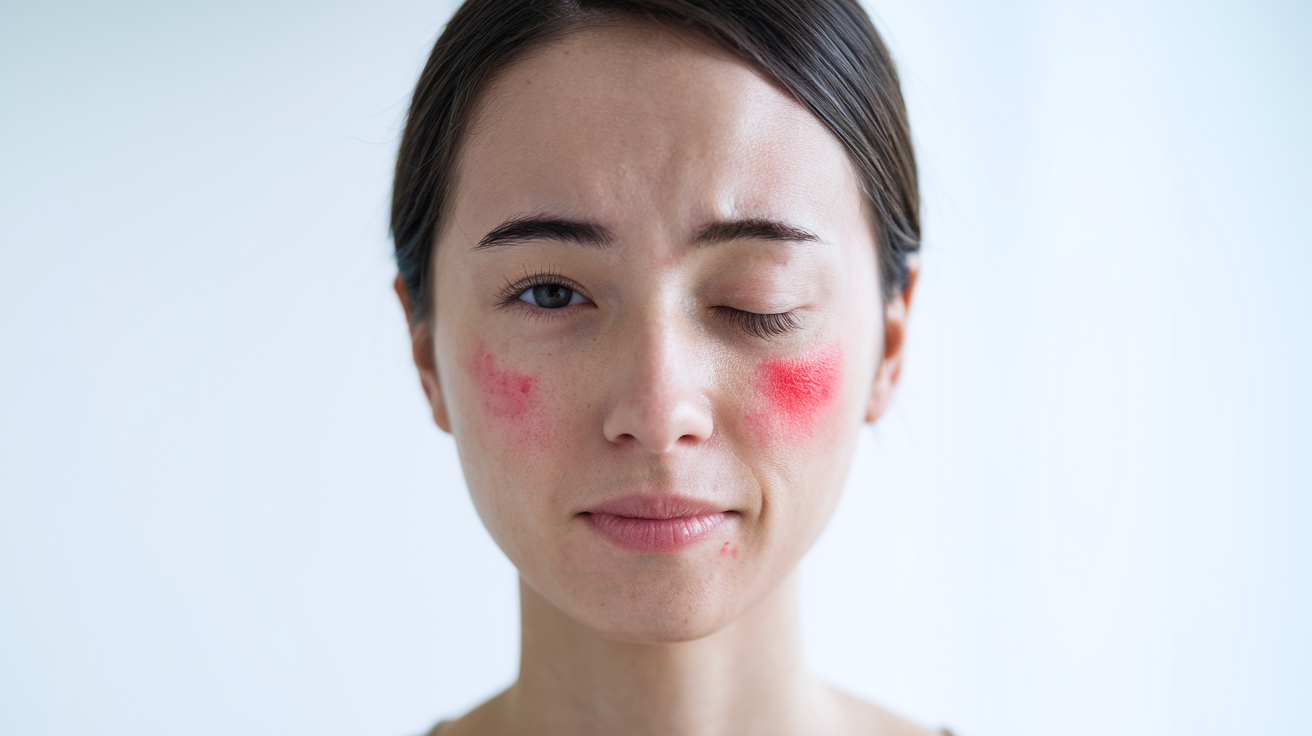
What causes asymmetrical swelling post-application
Asymmetrical swelling after eyelash extensions often stems from uneven adhesive application or differing eyelid sensitivity. Lash glue sensitivity can trigger localized reactions, especially if one eyelid receives more adhesive than the other.
Eyelid tenderness varies between individuals, making some prone to noticeable postapplication irritation.
Uneven adhesive distribution
Lash adhesive chemicals may cause unilateral edema if applied inconsistently.
Technicians sometimes use more glue on one side, leading to eye puffiness in that area.
Eyelash adhesive reaction severity depends on how much product contacts the skin.
Differing eyelid sensitivity
Eye sensitivity varies between eyelids, with one potentially reacting more strongly to lash glue ingredients. Allergic dermatitis might appear on a single eyelid due to this imbalance.
Eyelid redness or follicle inflammation can result from heightened cosmetic sensitivity.
Avoid rubbing the eyes after treatment, as this worsens irritation symptoms and spreads adhesive residue.
Monitor swelling causes for improvement within 48 hours. Persistent eye discomfort may require professional allergic reaction treatment.
How to treat unilateral eyelid edema
Swollen eyelid management begins with gentle care and avoiding irritants.
Puffiness relief often improves with simple home remedies, but persistent symptoms need medical attention.
Gentle cleansing and care
Application hygiene matters—clean the area with a mild cleanser to prevent bacterial infection.
Avoid makeup or skincare products that could worsen contact dermatitis.
Lash extension aftercare reduces procedure risks and promotes healing.
Allergy management
Cosmetic allergy symptoms may respond to antihistamines if histamine response occurs. Patch testing helps identify adhesive brands causing reactions.
For eyelid soreness, cold compresses provide discomfort relief.
Elevate your head while sleeping to minimize periorbital edema and fluid retention.
If irritation prevention fails and inflammation remedies don’t help within two days, consult a specialist for swelling diagnosis. Early intervention prevents lash extension complications from worsening.
Asymmetrical Swelling
- Uneven adhesive application can lead to unilateral edema and eye puffiness due to inconsistent glue distribution.
- Eyelid sensitivity varies, with one eyelid potentially reacting more strongly to lash glue ingredients, causing allergic dermatitis or redness.
- Gentle cleansing with mild cleansers and avoiding irritants can reduce bacterial infection risks and promote healing after lash extensions.
- Antihistamines and cold compresses can alleviate cosmetic allergy symptoms and provide discomfort relief for eyelid soreness.
Can lash adhesive chemicals trigger allergic dermatitis?
Eyelash adhesive reaction often stems from specific chemicals in the glue, such as cyanoacrylate and formaldehyde, which are known to cause allergic dermatitis and eyelid inflammation. These lash adhesive chemicals can lead to symptoms like itching, redness, and localized swelling, sometimes manifesting as unilateral edema within seconds or days of exposure.
Common allergens in lash adhesives
- Cyanoacrylate: A primary adhesive component that frequently triggers cosmetic allergy.
- Formaldehyde: A preservative known to cause contact dermatitis and irritation.
- Carbon black: A pigment that may contribute to lash follicle irritation.
- Latex derivatives: Potential allergens for those with sensitivity to natural rubber.
Hypoallergenic alternatives
For individuals with lash glue sensitivity, formaldehyde-free or medical-grade adhesives are recommended. Brands offering sensitive formulas can help reduce the risk of eye irritation treatment and provide safer options for those prone to reactions.
Always patch test new lash adhesive products by applying a small amount behind the ear or on the wrist at least 24 hours prior to full application. This step can help prevent severe eyelash adhesive reaction or cosmetic allergy.
Understanding the role of adhesive safety and proper patch testing can significantly reduce the likelihood of allergic dermatitis and promote a safer application experience.
While allergic reactions are a concern, mild discomfort after extensions can also occur—let’s explore this further.
Is eyelid tenderness normal after extensions?
Eyelid tenderness is a common experience following the application of eyelash extensions. This cosmetic procedure side effect is typically mild and resolves within 24 to 48 hours. The sensation, often described as tightness or soreness, arises as the adhesive cures and the delicate skin adjusts to the extensions.
Normal vs. concerning symptoms
- Normal: Mild sensitivity or a feeling of tightness for a day or two.
- Red flags: Intense pain, pus, severe eyelid redness, or persistent swelling may indicate a bacterial infection and require prompt medical attention.
Aftercare tips
For effective lash extension aftercare, avoid using oil-based products near the lash line during the first 24 hours. Tip: Preservative-free artificial tears can help soothe dryness or irritation, offering symptom relief and aiding recovery.
Proper extension maintenance and adhesive selection are key to minimizing risks and ensuring comfort.
By following these guidelines, you can manage eyelid tenderness and reduce the likelihood of complications, prioritizing both aesthetics and eye health.
Eyelash Adhesives and Reactions
- Cyanoacrylate and formaldehyde in lash adhesives are common triggers of allergic dermatitis and eyelid inflammation.
- Patch testing new lash adhesives behind the ear or wrist can prevent severe allergic reactions.
- Hypoallergenic, formaldehyde-free adhesives are recommended for individuals with lash glue sensitivity.
- Eyelid tenderness after extensions is normal but should resolve within 24 to 48 hours; persistent symptoms may indicate infection.
What Causes Swelling from Lash Glue?
Eyelash adhesive reaction often stems from sensitivity to specific ingredients found in lash adhesives. Lash glue sensitivity may lead to unilateral edema, where only one eyelid swells after extensions.
Common culprits include cyanoacrylate or formaldehyde derivatives, which can trigger allergic dermatitis in susceptible individuals.
Key Factors Behind Swelling
- Chemical sensitivity: Lash adhesive chemicals like formaldehyde releasers may provoke histamine response, resulting in eyelid redness or localized swelling.
- Improper curing: When glue doesn’t fully dry, trapped fumes intensify postapplication irritation and eye discomfort.
- Poor ventilation: Studios with inadequate airflow heighten exposure to fumes, increasing risks of periorbital edema.
Cosmetic procedure side effects can be minimized by choosing adhesives labeled low-fume or formaldehyde-free. Proper application hygiene, including patch testing before full application, helps identify glue allergy risks early.
How to Relieve Puffiness from Extension Irritation
Puffiness relief begins with gentle, targeted care to reduce eye inflammation and soothe irritated skin. Eyelid tenderness often responds well to simple home remedies that prioritize symptom relief without aggravating delicate areas.
Effective Remedies for Swollen Eyelids
- Cold tea bag compresses: Chamomile or green tea bags (chilled) ease eyelid soreness due to their anti-inflammatory properties.
- Hydrocortisone cream: A 1% formula can alleviate allergic reaction treatment needs but should be used sparingly and as directed.
- Gentle cleansing: Avoid oils and makeup around lashes to support lash extension aftercare and prevent bacterial infection.
Swollen eyelid management includes keeping the area dry and avoiding rubbing. For persistent irritation symptoms, consult a professional to explore adhesive alternatives or extension removal if needed.
Lash Glue Swelling
- Up to 15% of individuals may experience allergic reactions to cyanoacrylate-based lash adhesives, according to dermatological studies.
- Formaldehyde-releasing adhesives account for nearly 60% of reported cases of periorbital edema after lash extensions.
- Cold compresses reduce swelling by up to 40% within 30 minutes of application for mild allergic reactions.
- Patch testing identifies 90% of potential glue allergies before full application, preventing severe reactions.
Recognizing the urgent signs of eyelid inflammation can help you prevent serious eye health concerns. Eyelid inflammation post extensions commonly causes redness and mild swelling, but immediate attention is necessary if you notice severe symptoms.
When to Seek Help for Eyelid Inflammation
Eye sensitivity can escalate quickly, making it essential to act promptly when certain symptoms arise.
Certain red flags demand medical attention to avoid potential complications.
Here’s what to watch for:.
Red Flags That Require Immediate Medical Attention
- Severe pain in your eyelid, intense eye discomfort, or eyelash extension allergic reaction can indicate a serious complication. Do not ignore escalating pain or swelling, especially after cosmetic procedures such as eyelash extensions. Seek immediate help if you experience these signs[2][3].
- Sudden vision changes—including blurred vision, loss of vision, or pronounced light sensitivity—are medical emergencies. These symptoms sometimes signal deeper eye inflammation, beyond routine lash extension allergy or surface irritation[3][4].
- Spreading redness or warmth beyond the initial site can indicate infection or periorbital edema, not just standard irritation. If eyelid redness rapidly worsens or extends to surrounding tissues, consult your eye doctor right away[1][4].
Persistent Symptoms Needing Professional Diagnosis
- If swelling or soreness persists for more than 48 hours despite basic home care, a doctor’s assessment is essential. Swelling causes such as cosmetic procedure side effect, lash glue sensitivity, or eyelid tenderness sometimes require targeted treatments. Note that only one eyelid swollen after eyelash extensions signals unique risks and should not be overlooked[2][3].
- Because blepharitis, allergic dermatitis, and infections need different therapies, self-diagnosis is risky. Seeking a professional ruling can clarify whether your irritation stems from allergy symptoms, product reaction, or infection. Professional input also helps identify underlying lash extension complications and avoids delays in swelling treatment[4].
How to Document Symptoms for Your Doctor
- Keep a symptom log: Note the timeline, such as when eyelid inflammation post extensions began, what worsens it (e. g. , cosmetic products), and how severity changes with possible exposure to lash glue ingredients or application side effects[2][4].
- Take photos: Regular photographs track changes in eyelid redness, swelling, and other signs like puffiness relief or local flare-ups. Visual documentation is especially useful for issues related to eyelid inflammation post extensions or allergic reaction treatment, helping your healthcare provider recognize patterns or spot escalating symptoms faster[2].
Documenting irritation symptoms and bringing this organized information to your visit can lead to earlier diagnosis and more accurate eyelid soreness management. If symptoms persist, documenting them can help your doctor identify underlying extension risks or application chemicals triggering ongoing discomfort.
| Symptom | Action Required |
|---|---|
| Severe pain or eyelash extension allergic reaction | Seek immediate medical attention |
| Sudden vision changes or pronounced light sensitivity | Treat as a medical emergency |
| Spreading redness or warmth beyond the initial site | Consult your eye doctor right away |
| Swelling or soreness persisting for more than 48 hours | Seek a doctor’s assessment |
